South Austin Condos and Townhomes Near the Action
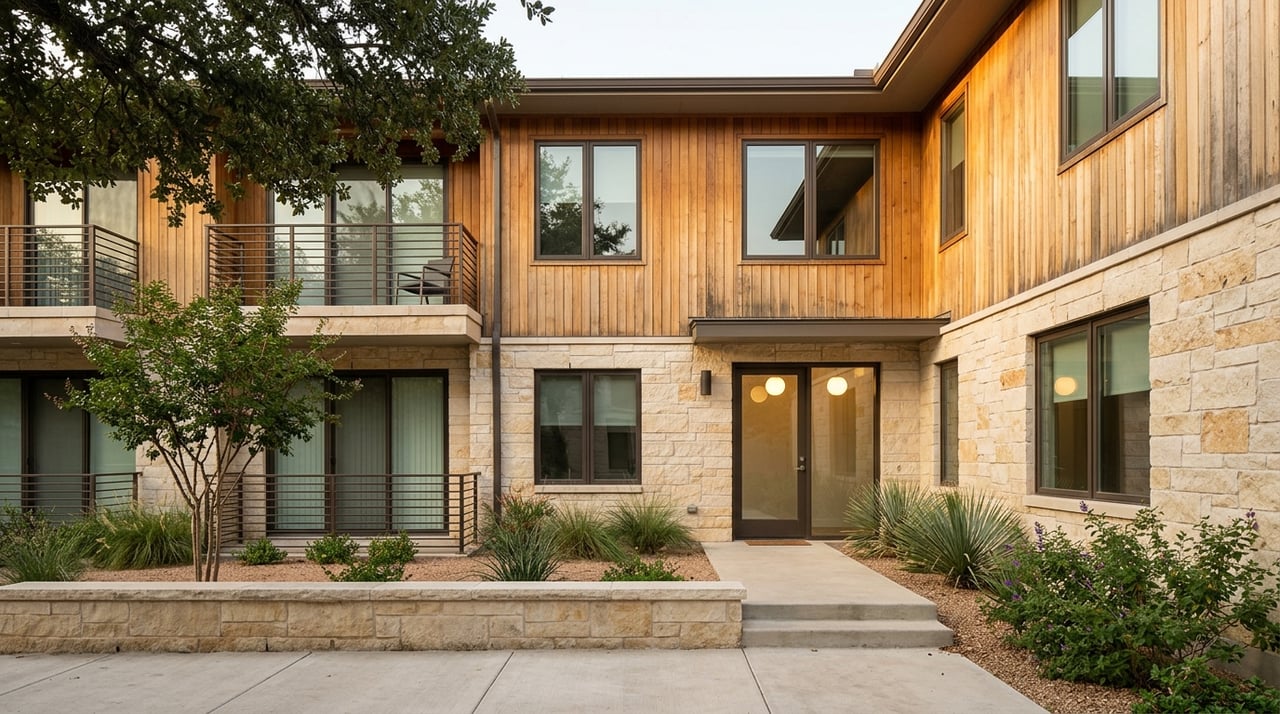
Looking for a home that keeps you close to South Austin’s energy without taking on the upkeep of a large yard? Condo and townhome living can be a smart fit if you want a more streamlined lifestyle, quicker access to central destinations, and a home that aligns with how you actually live day to day. In this guide, you’ll get a practical look at where attached-home living fits in South Austin, what features to expect, and what to watch for before you buy. Let’s dive in.
South Austin condo and townhome living is not just about finding a smaller footprint near downtown. In this part of Austin, attached housing is part of a broader neighborhood story shaped by transit access, walkability, and evolving housing choices.
The South Austin Combined planning area is generally bounded by Ben White, South 1st, William Cannon, and the Sunset Valley city limits. City neighborhood resources identify areas like Westgate, South Manchaca, and Garrison Park within that planning area, which helps explain why attached homes show up across multiple pockets of South Austin rather than in one single cluster.
The city’s planning approach also supports a mix of housing types as neighborhoods change over time. Austin zoning includes SF-4B single-family condominium and SF-6 townhouse and condominium residence districts, both of which are standard tools for this kind of housing.
South Austin’s attached-home market works well for buyers who want location and convenience without stepping fully into a high-rise downtown lifestyle. The local planning framework emphasizes neighborhood character, transit, and walkability, including mixed-use nodes with sidewalks, shared parking, outdoor seating, and people-friendly design.
That matters because your options may include more than a traditional condo complex. In South Austin, attached-home choices can span townhouse communities, single-family condominiums, and corridor-adjacent developments that place you near daily errands, dining, and commuting routes.
City analysis has also noted that Austin’s attached-housing market first clustered near downtown and UT before expanding into central neighborhoods like Bouldin Creek and Travis Heights. For South Austin buyers, that helps explain why condos and townhomes here often feel connected to the city’s central fabric rather than pushed to the edges.
In South Austin, “close to the action” usually means you can reach some of Austin’s best-known districts and destinations without living in the middle of the busiest blocks. That balance is a big part of the appeal.
The South Congress Business District stretches from Live Oak to Riverside Drive. South 1st Street is also identified by the city as a district south of the Colorado River, and the Long Center sits at 701 W. Riverside Drive in 78704. Those landmarks help show how South Austin living can place you within easy reach of dining, shopping, entertainment, and cultural destinations.
Downtown Austin’s plan centers on a dense, livable, multi-modal core with a wide range of housing choices. Even if you are not buying downtown, living in a South Austin condo or townhome can make that core feel more accessible for work, events, or evenings out.
Transit is a real part of the value story in South Austin, especially if you want flexibility in how you move around the city. CapMetro says its Rapid routes run north-south along Austin’s busiest corridors and connect downtown, UT, and South Austin.
Route 801 serves South Congress and Southpark Meadows. Route 803 serves Burnet and South Lamar. Both link to destinations such as Republic Square, UT West Mall, SoCo, St. Edward’s University, and Westgate.
The city is also advancing planning around the South Congress Transit Center station area. The goal includes improving walkability and supporting affordable housing within a half-mile of the center, which adds another layer of long-term relevance for buyers focused on access and connectivity.
South Austin attached homes tend to reflect two strong trends. First, some newer townhome communities are positioned as attainable ownership opportunities with practical efficiency features. Second, some South Congress-area projects are leaning into a lock-and-leave lifestyle with convenience-focused amenities.
A city-backed example near William Cannon and South Menchaca, Industry SOMA, has been marketed as an affordable ownership option. The city says these homes meet Austin Energy Green Building standards and include efficient HVAC, strong insulation, and xeriscaping.
Other newer projects in the South Congress area have been reviewed with features such as EV charging, garages, showers, reclaimed water, and rooftop installations. Taken together, these examples suggest many buyers are willing to trade some yard space for lower-maintenance living, energy-conscious design, and shared infrastructure.
South Austin condo and townhome living can suit a wide range of buyers, but it tends to work especially well if you value efficiency, access, and a simpler routine. If you travel often, want a lock-and-leave setup, or prefer spending weekends exploring the city instead of managing a large lot, an attached home may check the right boxes.
This lifestyle can also appeal if you want modern finishes, a more central location, or a lower-maintenance exterior than you might find in a detached home at a similar price point. The tradeoff is usually less private outdoor space and more shared rules through an HOA or condominium association.
The key is to match the community to your day-to-day habits. Parking, pet rules, rental policies, shared amenities, and monthly dues can make one property feel like a strong fit and another feel restrictive.
If you are comparing condos, townhomes, and detached homes, it is important to look beyond the list price. Monthly HOA or condominium fees can change the total cost of ownership, but they may also cover expenses that would otherwise land on you directly.
Fannie Mae’s condo guidance advises buyers to confirm exactly what is included in the fee and to check whether the project meets lender eligibility standards. It also notes that condo fees can support insurance and reserves, which is one reason some buyers find condos more manageable from a maintenance standpoint even when the monthly association payment is higher.
In practical terms, the best budget fit is not always the home with the lowest dues. It is the community where fees, reserves, maintenance obligations, and rules align with your financial comfort and lifestyle priorities.
In Texas, the resale packet is a major part of condo due diligence. Under Texas Property Code Chapter 82, the seller must furnish the declaration, bylaws, association rules, and a current resale certificate before closing.
The association must provide the resale certificate within 10 days of a written request. For condos, the association may charge up to $375 to furnish that certificate.
The TREC condominium resale certificate, along with the similar subdivision resale certificate, discloses details that can directly affect your decision. These include periodic assessments, special assessments, unpaid sums, capital expenditures, reserve balances, insurance, pending suits, government notices, and transfer fees.
Before you commit to a South Austin condo or townhome, ask questions that connect the paperwork to real life. A polished unit and a great location matter, but so do the details that shape your monthly experience.
Consider asking:
These questions can help you compare communities clearly and avoid surprises after closing.
South Austin attached-home options can vary widely by block, product type, and community rules. One property may offer a highly efficient lock-and-leave setup near major corridors, while another may deliver more privacy, a garage, or a more design-forward feel.
That is why local guidance matters. When you understand the planning area, transit access, amenity trends, and resale documents, you are in a much better position to choose a home that supports your routine and long-term goals.
If you are exploring South Austin condo and townhome living close to the action, working with an advisor who understands central Austin micro-markets can help you narrow the field quickly and evaluate each opportunity with confidence.
Whether you are relocating, moving closer to the urban core, or simply looking for a more flexible lifestyle, David Grimes can help you identify the right South Austin fit with clear guidance and personalized service.
Stay up to date on the latest real estate trends.