What Tarrytown Heritage Tree Rules Mean for Renovations

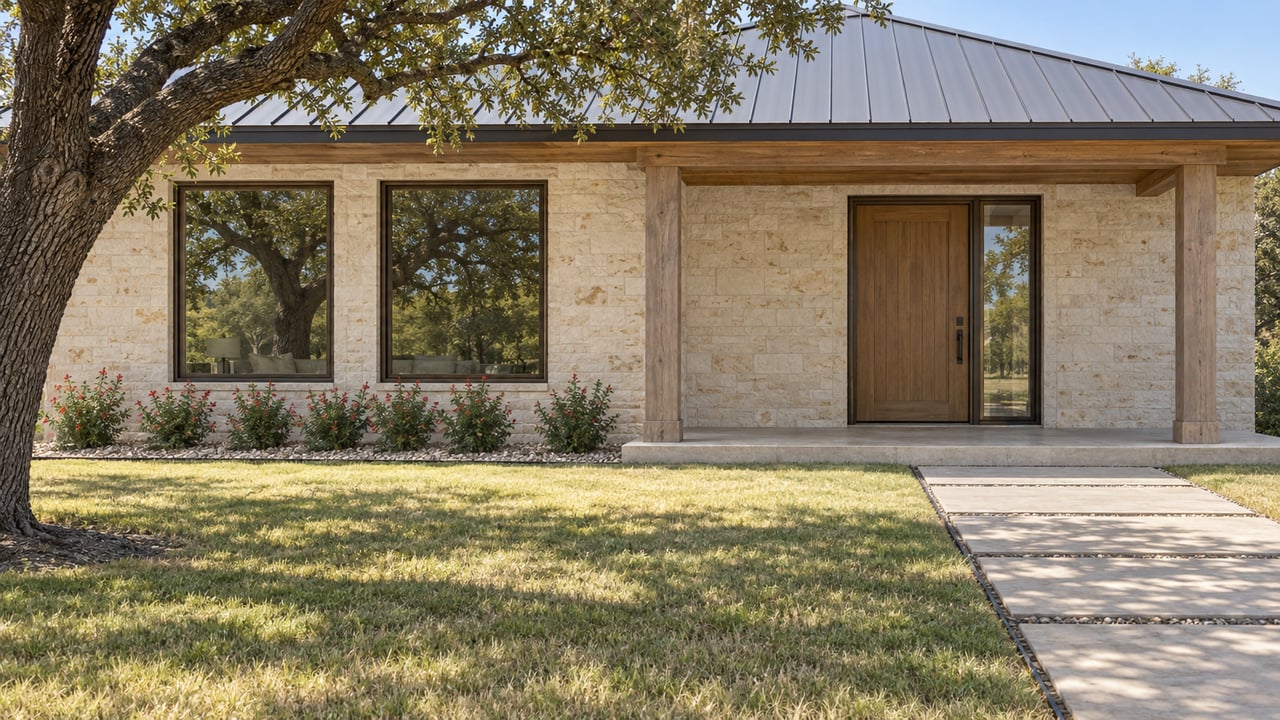
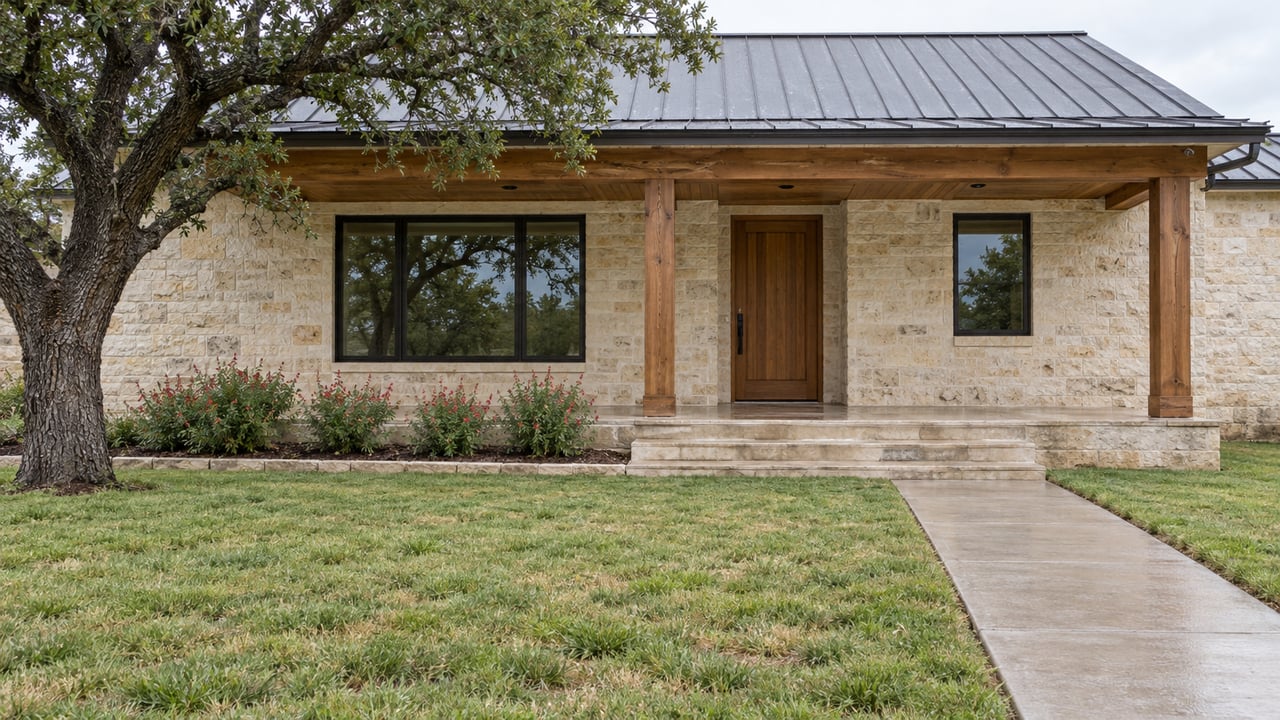
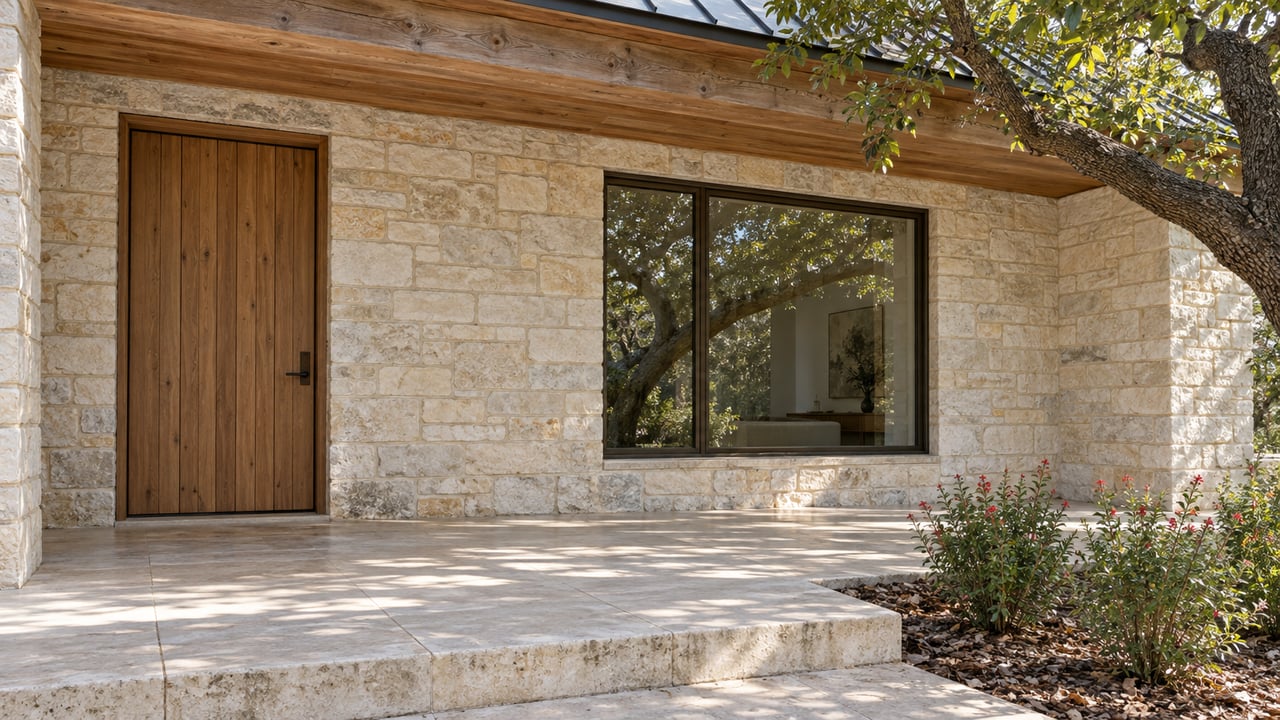
A Tarrytown buyer falls for a 1950s bungalow on a deep, shaded lot. The plan is simple: add a primary suite off the back, maybe push the kitchen out six feet. Then the architect walks the site with a tape measure and comes back with different math. The 30-inch live oak thirty feet from the back door has a critical root zone that swallows most of the buildable yard. The addition that seemed obvious on paper is now a redesign, a variance request, or a conversation about whether this is still the right house.
This is not a rare story in Tarrytown. It is close to the default story, because the neighborhood's defining feature, its canopy of century-old live oaks, is also its most binding constraint on what you can build. Understanding that constraint before you write an offer, not after, is the difference between a smooth renovation and a stalled one.
Austin's tree rules work on trunk diameter, measured at four and a half feet above ground, a figure arborists call DBH. According to Biophilic Cities, any tree at 19 inches DBH or more is a protected tree and needs a city permit to remove. According to We Love Trees' 2026 guide, at 24 inches DBH, certain species, including live oaks, cross into heritage tree status, where removal permits are difficult to get and rarely granted.
The number that actually shapes your site plan is the critical root zone, or CRZ. According to Tree Scouts, the formula is one foot of radius for every inch of trunk diameter. A 24-inch oak carries a CRZ that extends 24 feet in every direction, a 48-foot circle of ground where trenching, grading, equipment staging, and material storage are restricted without an tree protection plan. Most mature live oaks in Tarrytown clear 24 inches without much argument. Several clear 30.
| Trunk diameter (DBH) | Classification | City permit required | Typical mitigation cost |
|---|---|---|---|
| Under 19 inches | City of Austin says trees under 19 inches in diameter are not regulated on residential property. | No | None |
| 19 to 23 inches | Protected | Yes, to remove | Case by case |
| 24 inches or more | Heritage for certain species | Yes, high bar for approval | $5,000 to $20,000 or more per tree |
That last column is not a rounding error. A single heritage oak that has to come down for a foundation or a driveway can add five figures to a project before a contractor pours anything.
Tarrytown sits under Austin's Subchapter F rules, commonly called the McMansion Ordinance, which, according to Mission Home Builders, caps floor area ratio at 0.40 for most single-family lots and limits height and massing on top of that. Layer in the city's impervious cover limits, typical setbacks of roughly 25 feet at the front, 5 feet at the sides, and 10 feet at the rear on standard SF-3 lots, as Villa Vista Homes' guide describes them, and the tree protections above, and you get a buildable envelope that is often smaller than the lot size suggests.
Tarrytown also sits on expansive clay soils, the kind that shrink and swell with moisture and demand a geotechnical investigation before a foundation gets designed, particularly for additions or rebuilds near the lake where ground conditions can vary block to block. None of this shows up on a listing sheet. It shows up in the first meeting with a structural engineer.
For buyers eyeing a lot for its rebuild potential rather than its current house, the path to demolition has its own timeline. Austin Development Services says a total demolition permit in Austin requires a pre-demolition inspection and adjacent-property notification, and the work cannot start until that notification window, a minimum of five days, has closed. If the existing structure is 45 years old or older, which describes a meaningful share of Tarrytown's housing stock given the neighborhood's development starting in 1915, the project also triggers Historic Preservation Office review before a permit issues.
That review is not automatic denial. Austin's Historic Landmark Commission works through applications for additions, rear porches, window replacements, and full demolitions on a rolling basis, and outcomes vary by property and by what the commission's staff recommends. But it is a real step with a real timeline, and it is the kind of detail that turns a six-month project into a nine-month one if a buyer did not budget for it.
Here is where the constraints stop being a permitting story and start being a pricing story. In the most recent 30-day sales window measured in early September 2026, Tarrytown's median sale price ran $1.41 million, up 4.4 percent year over year, at the same time median price per square foot fell 30.7 percent year over year. Days on market more than doubled over that same year-over-year comparison, from 23 days to 57. More than half of active listings had taken at least one price cut.
A rising median price alongside a falling price per square foot is not a contradiction once you separate what is actually selling. If larger, tree-constrained lots with older or unrenovated structures are moving at a discount to their raw square footage, because the buyer pool for a genuine teardown or major-addition project is narrower and better informed about permitting friction, while smaller, fully renovated homes on lots with fewer mature-tree obstructions hold their per-square-foot value, the blended numbers move exactly like this. The land is not losing value. The market is pricing the difference between a lot where the trees leave you room to build and a lot where they do not, and that distinction rarely shows up until a buyer or their architect runs the CRZ math.
It also explains why market snapshots from different sources land in different places. A same-period estimate that leans on active listings will read differently than one built from closed sales, and Tarrytown's relatively low sales volume in any given month, a handful of transactions rather than dozens, means the mix of what closed can swing the average significantly from one reporting window to the next. That is not a flaw in any single source. It is a reminder that in a neighborhood this thin on volume, the headline number matters less than which specific homes are behind it.
Does a heritage tree automatically block a renovation? No. It changes where you can build and how much protection fencing and root-zone planning the project requires, which affects cost and timeline more than it forecloses the project outright.
Is the city tree ordinance the only rule I need to worry about? No. Community expectations around tree removal can matter alongside the permit itself, even without a formal HOA structure.
Does a smaller addition avoid all of this? Not necessarily. Austin's Express Permit path covers limited scope work like straightforward kitchen or bath updates with fast turnaround, but it does not cover moving walls or relocating plumbing, which is where many Tarrytown additions actually land.
If you are weighing a Tarrytown purchase with renovation in mind, or wondering whether your own lot's trees are helping or limiting its value, a second set of eyes before you write an offer or list your home is worth the conversation. Grimes Group Austin works this neighborhood block by block, including the tree math most buyers never think to ask about. Request a Confidential Home Valuation and let's look at what your specific lot can actually support.
This article is general information, not legal, tax or financial advice. Consult a qualified professional about your situation.
Stay up to date on the latest real estate trends.