What Drives Tarrytown Austin Home Values Today
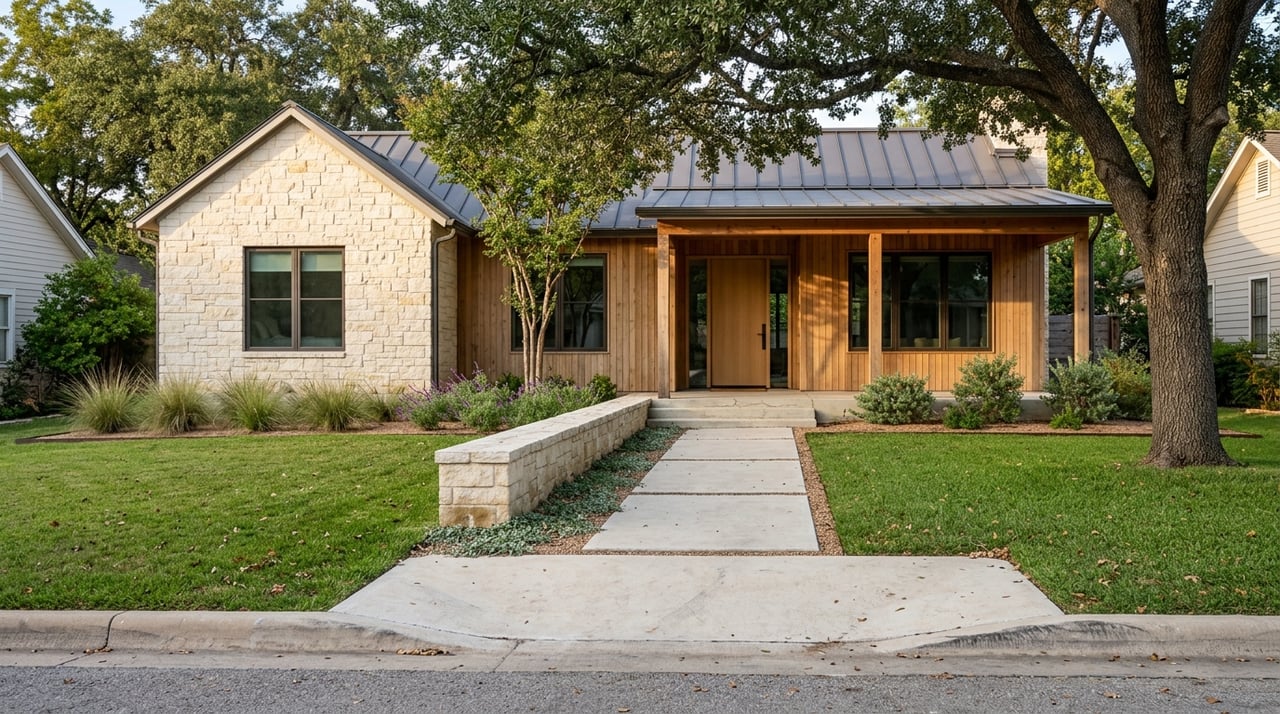
Wondering why Tarrytown commands some of Central Austin’s highest home values? It is not just about being close to downtown. In Tarrytown, history still shapes what buyers pay today, from lot patterns and mature trees to older homes, lake-adjacent settings, and the kind of neighborhood fabric that is hard to recreate. If you are buying, selling, or simply tracking this market, understanding that history can help you read pricing more clearly. Let’s dive in.
Tarrytown developed in phases, with later additions platted from the late 1930s through the 1950s, according to the City of Austin’s Central West Austin plan. That layered growth matters because it created a neighborhood with a varied street layout and a broad mix of home ages rather than one uniform era of construction.
The same city plan notes early streets such as Windsor Road, Bowman Avenue, Townes Lane, Exposition Boulevard, and Hillview Road. It also describes a combination of grid streets and winding cul-de-sacs shaped by topography, with no alleys in Tarrytown. Those physical patterns still affect how homes live, how lots function, and how buyers perceive value from one block to the next.
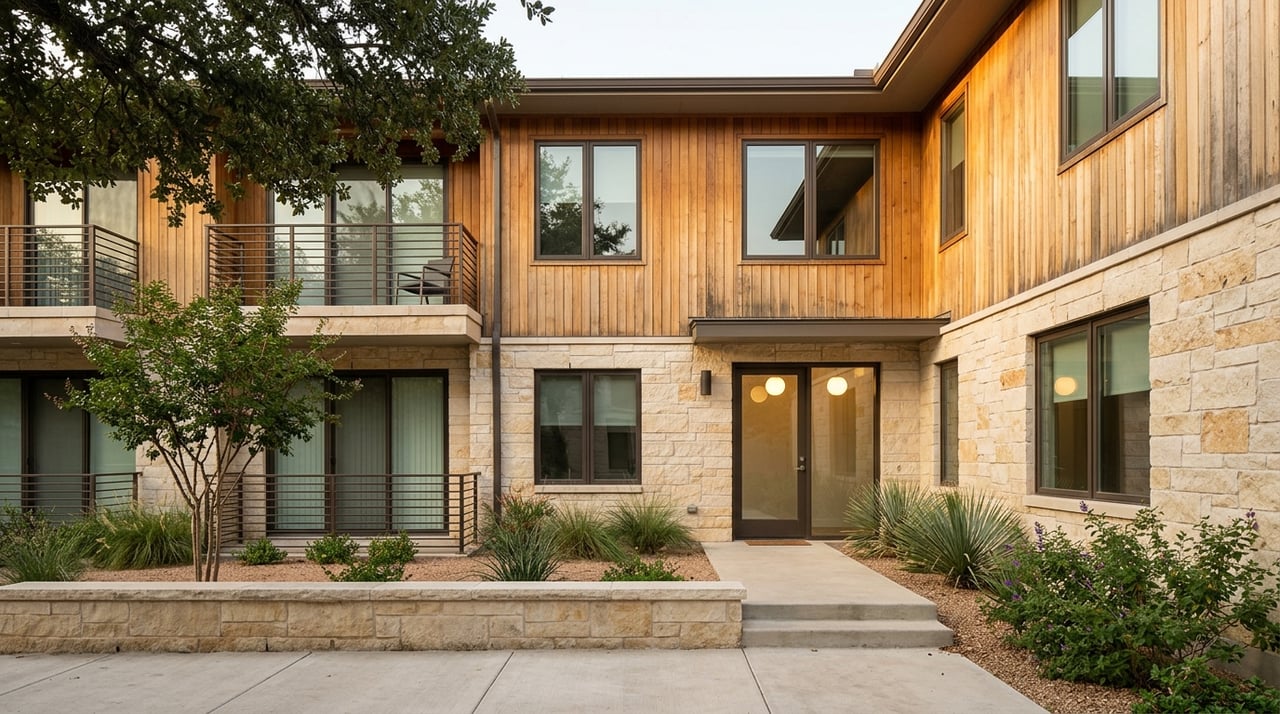
In many neighborhoods, sameness can make pricing easier but less distinctive. Tarrytown works differently. Its phased development and terrain-shaped layout create a more custom feel, which tends to support stronger pricing for homes on especially desirable streets or lots.
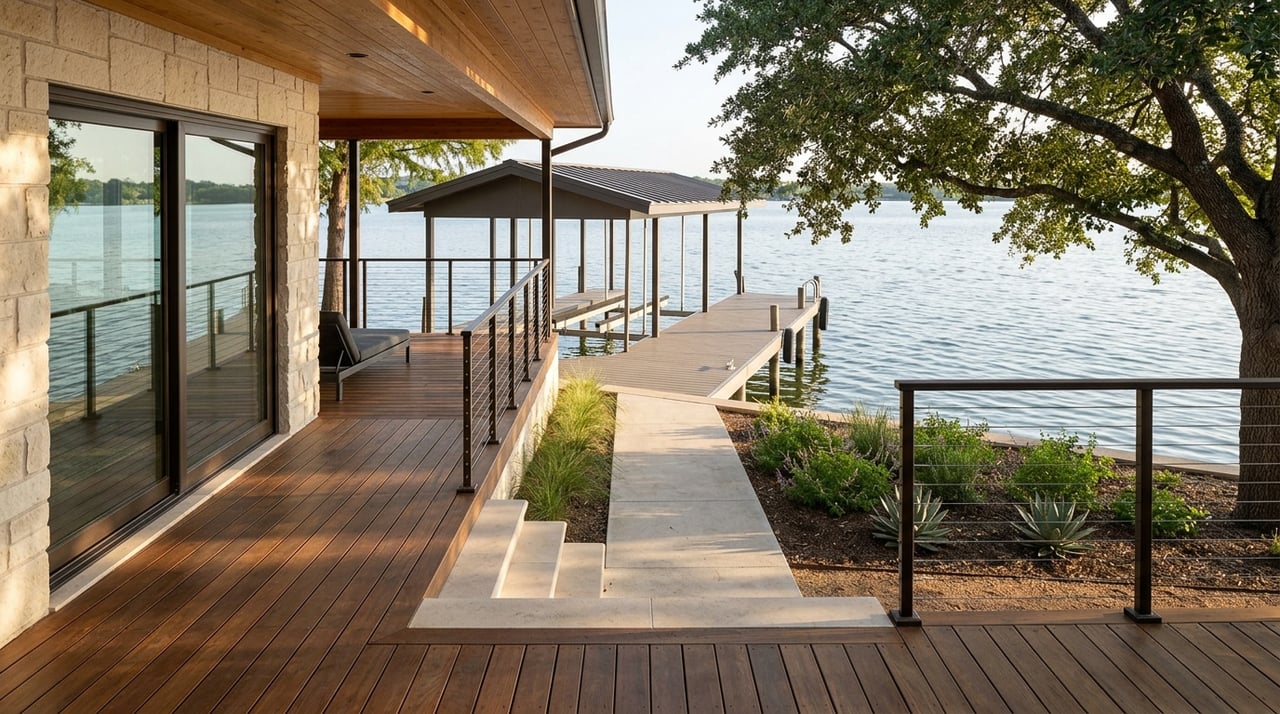
Because the area sits along Lake Austin and Lady Bird Lake and includes the Brackenridge Tract, it developed with an identity that feels close-in yet strongly residential. That combination remains rare in Austin. Buyers are often paying not only for a home, but also for a neighborhood setting that feels established and hard to replicate.
City records show homes in the Tarrytown area dating from about 1908, along with a 1940 house developed by the Westenfield Development Company, a 1951 mid-century home designed by Arthur Fehr, and a 1954 ranch-style house tied to a long-time local business family. Together, those records point to one of Tarrytown’s defining features: a wide age and style mix.
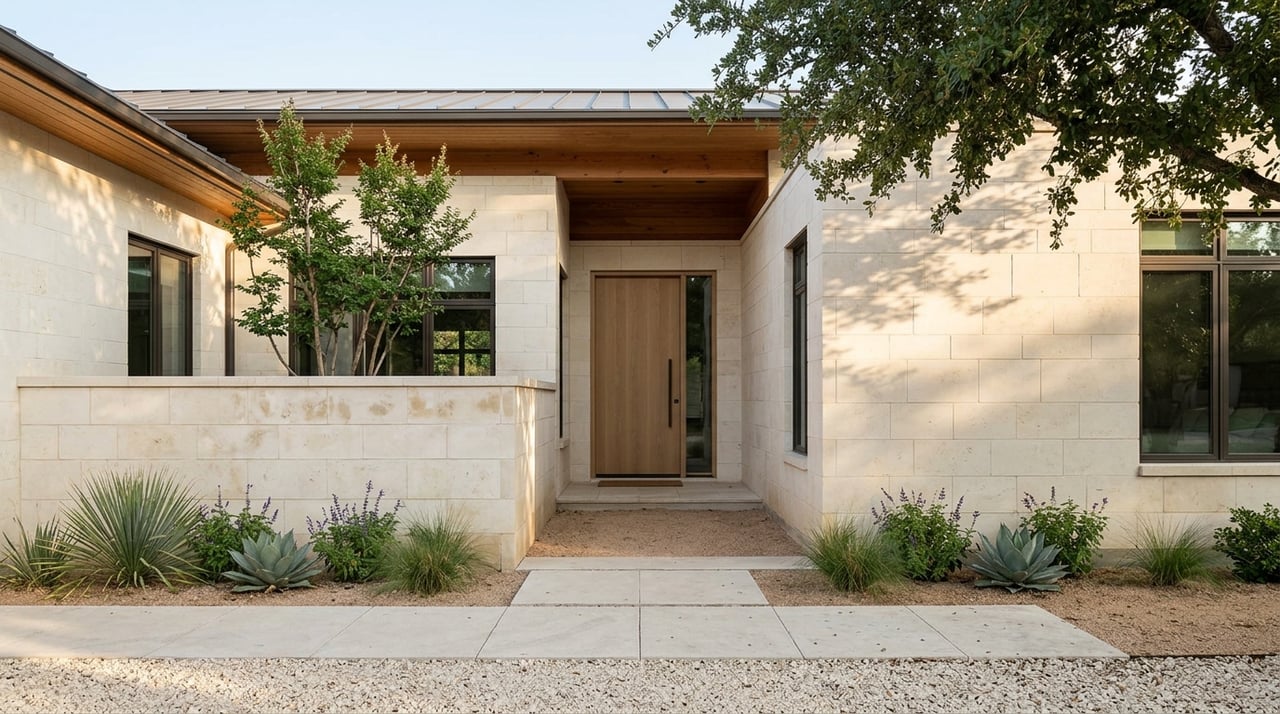
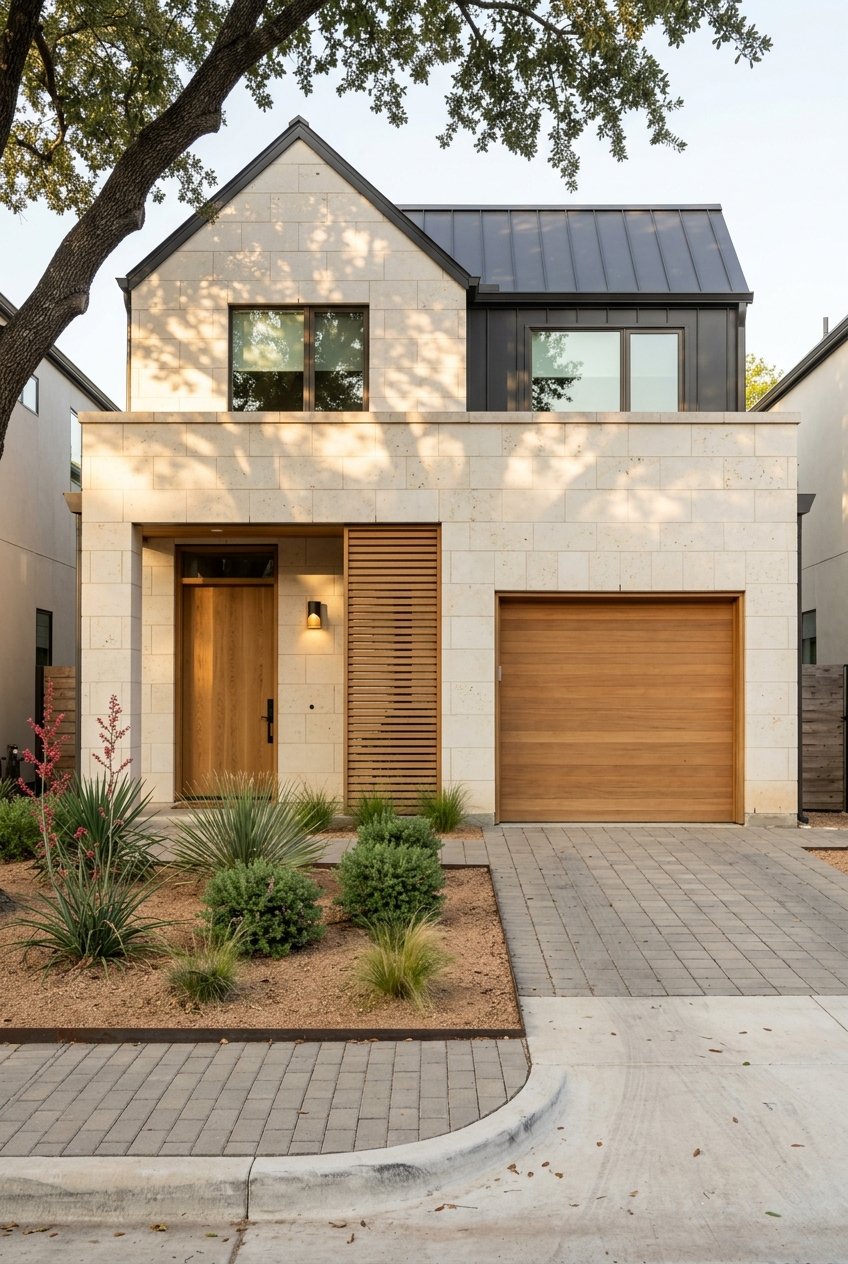
That variety matters for value. You are not looking at a neighborhood where every property competes on the same checklist. Instead, buyers may place a premium on preserved period details, architectural pedigree, renovation potential, or a larger building envelope on a well-positioned lot.
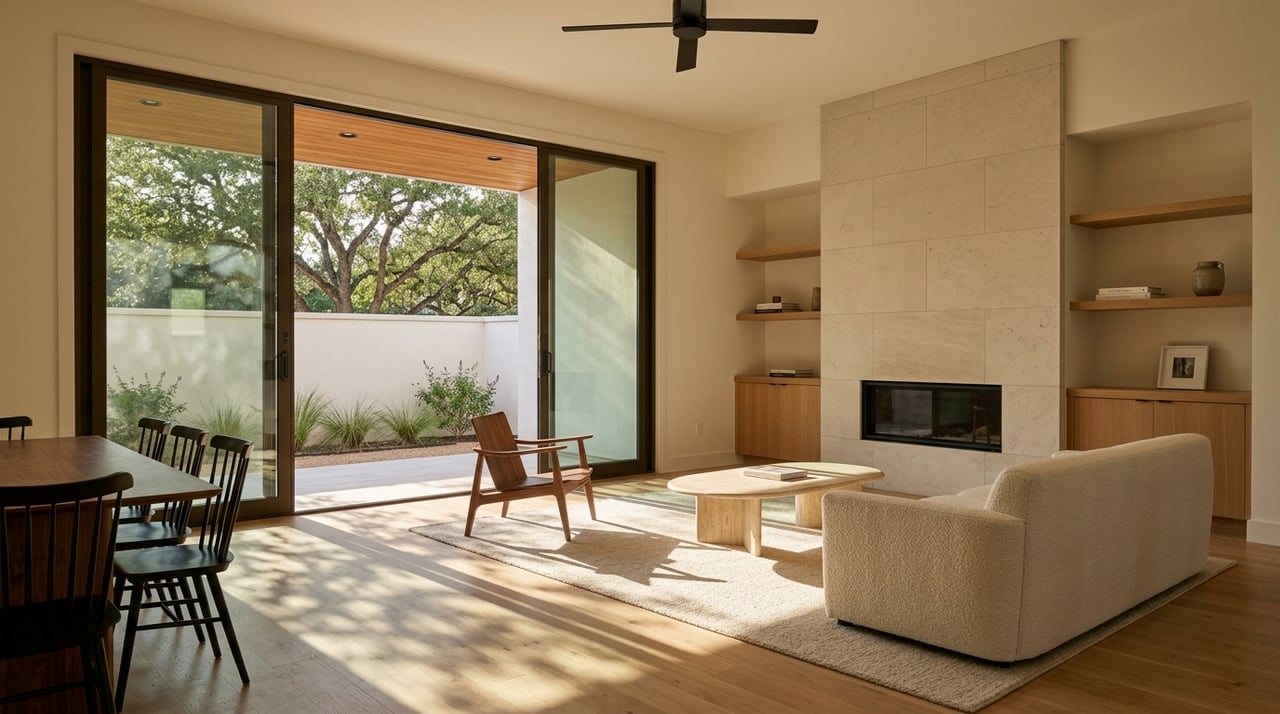
Tarrytown pricing is often about more than finishes inside the home. A current neighborhood guide reports average home size at about 3,300 square feet, with lots often at least one-fifth of an acre. In practical terms, that means lot utility and building mass can carry as much weight as countertops, fixtures, or recent cosmetic updates.
City records reinforce that point. In one Historic Landmark Commission item, a 1951 Tarrytown house was described as being marketed for lot value only. That is a strong signal that redevelopment potential is part of the pricing equation in this neighborhood.
For sellers, this means your property may be valued differently than a buyer first assumes from the home alone. For buyers, it means two houses with similar square footage can land at very different price points depending on parcel size, siting, and future options.
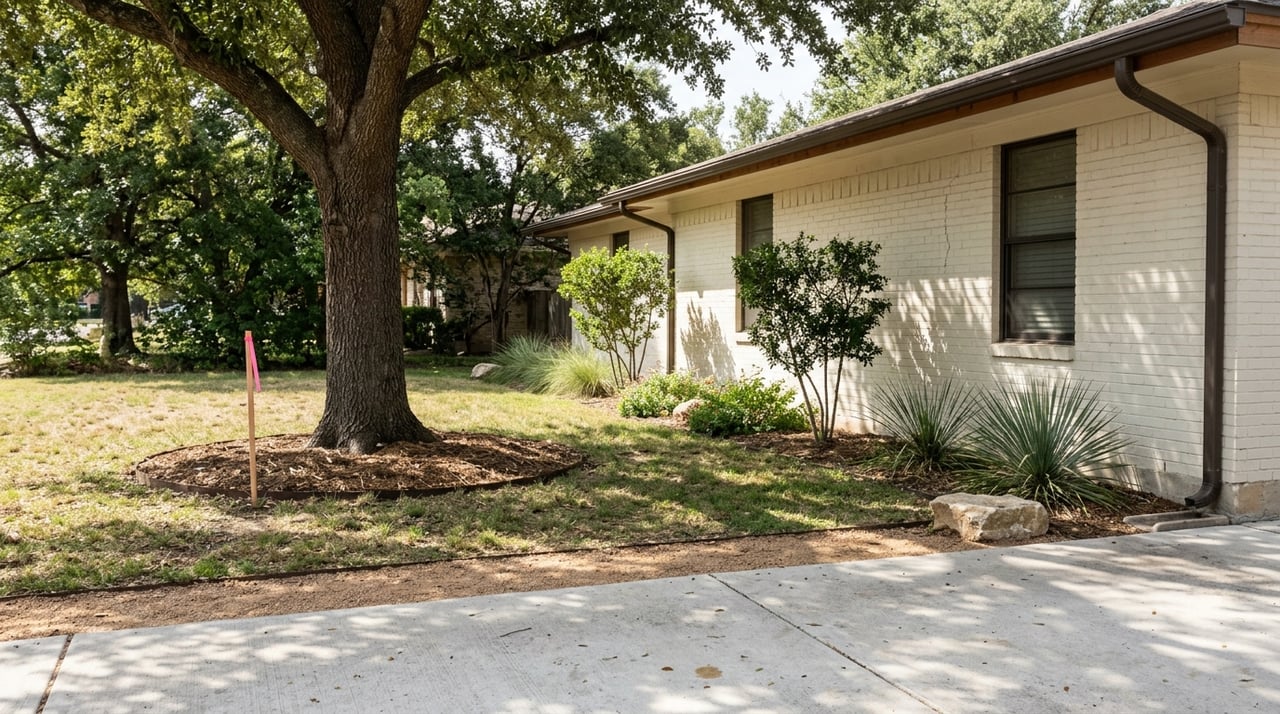
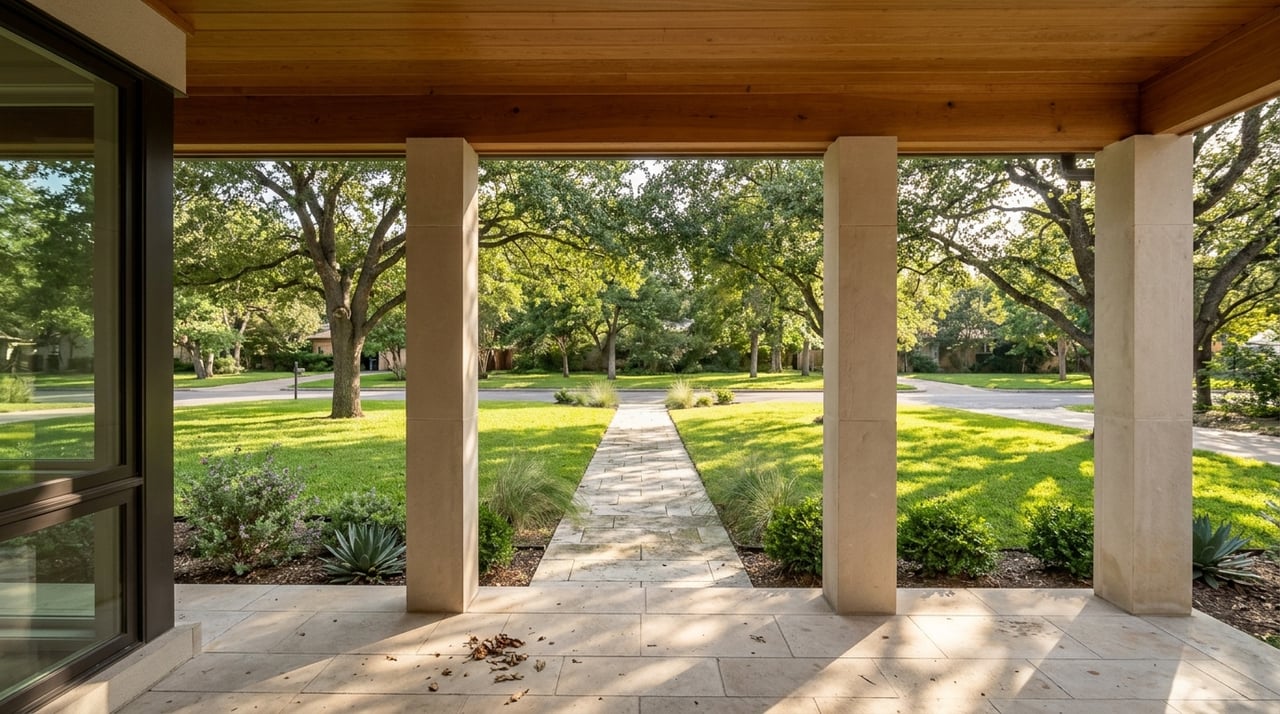
In Tarrytown, mature trees are not just attractive. They are part of the value story. The City of Austin states that trees increase property values, and the Central West Austin plan estimates tree canopy at 51%, making this one of Austin’s most heavily canopied areas.
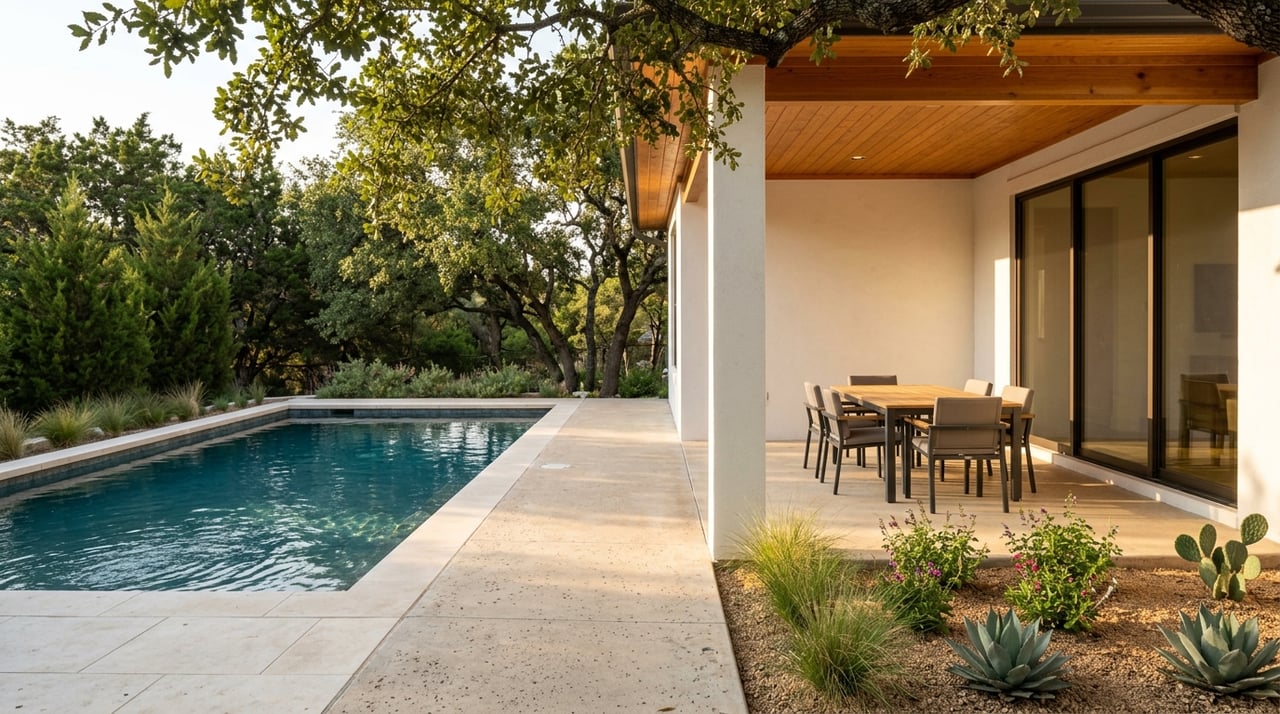
That kind of canopy does more than improve the street view. It helps create the established feel that many buyers associate with Tarrytown. Mature live oaks, shaded streets, and long-standing landscaping contribute to the neighborhood’s identity and can influence how buyers compare it to newer areas with less natural cover.
Tarrytown’s location near recreation anchors also helps explain its pricing power. The neighborhood’s edges and nearby amenities include Lions Municipal Golf Course, West Austin Youth Association, Walsh Boat Landing, Red Bud Isle, Deep Eddy Pool, and Mayfield Park.
These places are not new lifestyle add-ons. They are long-standing parts of the area’s identity. Deep Eddy Pool is the oldest swimming pool in Texas, Lions Municipal Golf Course was the city’s first public golf course, and Mayfield Park began as a private estate before becoming a 23-acre preserve.
For buyers, this creates a strong sense of place. For values, it means Tarrytown benefits from a dense collection of established amenities that support demand even when broader market conditions shift.
Tarrytown is just west of downtown and the University of Texas, and that close-in location remains a major part of its value. The neighborhood center around Exposition and Windsor includes the Tarrytown Shopping Center, Howson Library, the Episcopal Church of the Good Shepherd, and Fire Station #10.
That kind of infrastructure supports day-to-day convenience without changing the area’s residential feel. When buyers look for central Austin neighborhoods with established character, Tarrytown often stands out because it combines access with a more settled physical environment.
Current market data reflects that premium positioning. Realtor.com’s January 2026 summary puts Tarrytown at a median home price of $1.944 million, with a median price of $698 per square foot, 46 active listings, and 84 median days on market.
That same source shows the broader 78703 ZIP at a median home price of $1.499 million. In other words, Tarrytown is still reading as a premium pocket even within an already valuable Central Austin ZIP code.
Another current neighborhood guide estimates average value at about $2.04 million and average price per square foot at about $658. While public trackers vary, they broadly point in the same direction: Tarrytown is priced as a high-value neighborhood where location, land, and long-term desirability remain central to how homes are valued.
One of the biggest mistakes in Tarrytown is assuming the market values every property by square footage alone. In reality, pricing is often a compound of house age, architectural quality, lot size, tree cover, and location near the lake, parks, and downtown.
That means two homes with similar interior size may sell at very different levels. One may sit on a larger parcel, a more sought-after street, or a site with stronger privacy or redevelopment appeal. Another may hold value because it is a well-preserved period home, while a different property may trade more on land potential.
Austin’s Historic Properties page says the city has nearly 700 historic landmarks, 8 local historic districts, and 18 National Register historic districts. It also notes that the Historic Landmark Commission reviews exterior changes to historic resources and demolitions or relocations of buildings that are 45 years or older and may be eligible for landmark designation.
In Tarrytown, that matters because older homes can carry added planning considerations. If a parcel is individually designated or contributes within a district, rehabilitation may also qualify for a city tax abatement on the value added by that work. That can affect renovation budgeting, timing, and resale positioning.
If you are selling, this can shape how your home should be presented to the market. If you are buying, it can influence what kind of updates are feasible and how you evaluate long-term upside.
If you are buying in Tarrytown, history gives you a better framework for judging value. You are not just comparing finishes or bedroom counts. You are weighing lot characteristics, architectural significance, tree canopy, street placement, and access to established neighborhood amenities.
If you are selling, the same history can strengthen your pricing story. A strategic market approach should account for more than recent comparable sales on paper. It should also highlight the attributes that make your property fit into Tarrytown’s long-standing value pattern, whether that is land utility, design heritage, setting, or location within the neighborhood.
In a market like this, nuanced local knowledge matters. Tarrytown is not a one-note neighborhood, and its history is a big reason why values continue to stand out in Central Austin.
If you want a tailored read on how your Tarrytown home’s lot, architecture, and location may influence value today, connect with David Grimes for a confidential conversation.
Stay up to date on the latest real estate trends.