How to Sell a Lake Travis Waterfront Home With Confidence
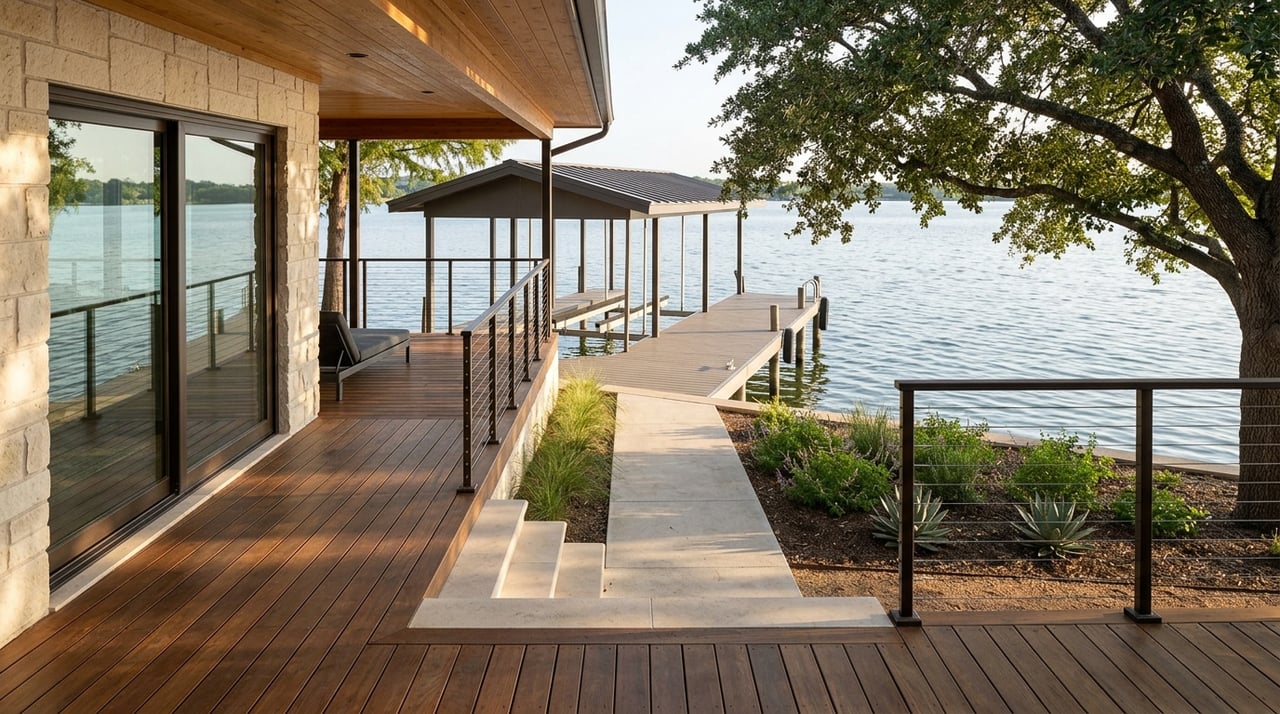
Thinking about listing your Lake Travis waterfront home? You are not just preparing a house for sale. You are preparing a shoreline, a dock, outdoor living spaces, and a lifestyle that buyers will judge the moment they see the listing online. With lake levels, dock condition, and waterfront presentation all affecting first impressions, a smart plan can help you show the property at its best. Let’s dive in.
On Lake Travis, the waterfront is part of the home’s value story. Before you focus on furniture, paint, or décor, start outside with the shoreline, dock, and current lake conditions.
Lake Travis levels can change with runoff, releases, and drought operations because the Lower Colorado River Authority manages the lake as part of the Highland Lakes system. In late June 2026, LCRA reported Lake Travis at 672.49 feet above mean sea level, compared with a monthly average of 668.42 feet. That is a good reminder to check shoreline exposure, water access, and dock position before scheduling photos, repairs, or showings.
Your dock should look safe, usable, and well maintained. LCRA safety standards address flotation, lighting, access, anchoring, and distance from shore, and on Lake Travis the maximum distance from shoreline is 100 feet.
If your dock is 1,500 square feet or less, it does not require an LCRA permit, registration, or fees, but it still must meet safety standards. LCRA also states that a dock must be on property you own, lease, control, or have permission to use, and not every shoreline location is suitable for one.
LCRA recommends checking for cracks, worn or corroded cables, exposed flotation, poor lighting, and loose items on the dock deck. Floating docks are especially vulnerable during floods, and owners are responsible if a dock breaks loose or becomes a navigation hazard. Before you list, make sure the dock feels secure, looks orderly, and is ready for buyer visits.
If you are tempted to do quick shoreline cleanup or other waterfront improvements before listing, pause and verify requirements first. In unincorporated Travis County, many land-disturbing changes require a development permit.
LCRA also requires notification before lakebed clearing work begins, and that notice must be displayed during the work. This can matter for shoreline clearing, grading, retaining wall work, and similar prep projects. The safest move is to confirm what is allowed before starting anything that changes the lake edge.
For a Lake Travis home, patios, decks, pool areas, and waterfront seating are not side features. Buyers often see them as essential living spaces, especially in a view-driven property.
The National Association of Realtors reported in 2025 that top seller preparation recommendations included decluttering, whole-home cleaning, and improving curb appeal. The same report found that outdoor or yard space was staged in 47% of staged homes. For a waterfront property, that means your exterior spaces deserve as much attention as the living room or kitchen.
Cameras pick up clutter, grime, and awkward furniture placement quickly. That is especially true outdoors, where hoses, cords, lake toys, and weathered accessories can pull attention away from the water.
Start by cleaning hardscapes, straightening outdoor furniture, and removing extra gear from decks, patios, and dock areas. If possible, keep sightlines open toward the lake so the view reads clearly in both photos and in person. The goal is not to overdecorate. It is to make the waterfront experience feel simple, clean, and easy to enjoy.
Dock presentation should be functional, not flashy. Buyers want to see that it is safe, accessible, and ready to use.
That means removing loose items, checking lighting, tidying seating areas, and making sure the path from the house to the water feels clear. A neat, stable dock creates confidence. A cluttered or visibly worn dock can raise questions before a buyer even steps inside.
Inside the home, your best design feature may not be the furniture at all. In many Lake Travis homes, the view is the focal point, and the staging plan should support that.
NAR’s 2025 staging report found that 83% of buyers’ agents said staging made it easier for buyers to visualize a property as a future home. The rooms most often staged included the living room, primary bedroom, dining room, kitchen, and outdoor space. For a waterfront property, the most important rooms are the ones that visually connect to the lake.
If oversized furniture blocks windows or makes rooms feel crowded, it may be working against you. The same goes for heavy window treatments, too many accessories, or layouts that distract from the natural focal point.
A simpler arrangement often works better. Remove extra furniture, lighten up window areas, and create a clear visual flow from interior living spaces to the deck, patio, or shoreline. Buyers should notice the home first, but remember the view most.
If the home is large, highly furnished, or visually busy, professional staging can help. NAR reported that when sellers used a staging service, the median spend was $1,500, compared with $500 when the seller’s agent personally staged the home.
That does not mean staging is required in every case. It does mean thoughtful presentation can support perceived value and, in some situations, help reduce time on market. For a premium waterfront listing, a strategic staging plan is often worth considering.
Most buyers will meet your home online before they ever visit in person. For a Lake Travis waterfront property, that first digital impression carries a lot of weight.
In NAR’s 2024 buyer survey, 43% of buyers said their first step was searching the internet, and 51% said they found the home through an online search. Buyers typically viewed seven homes, and two of those were viewed online only. That is why high-quality photography, video, and virtual tours are not extras. They are core marketing tools.
Your media package should capture the full waterfront experience. That includes the shoreline, dock access, outdoor entertaining areas, and the way interior spaces connect to the water.
Photos remain especially important. In NAR’s 2025 staging report, buyers’ agents ranked photos as the most important listing asset, followed by traditional staging, videos, and virtual tours. For a lifestyle property, each image should help buyers understand how the home lives from morning coffee on the patio to time on the dock.
Schedule photos only after the home is fully cleaned, decluttered, and show-ready. That includes the dock, shoreline path, patios, and every room that will be featured online.
It is also important that the property look the same for in-person showings as it did in the listing media. Buyers who love what they see online expect that same experience when they arrive. Consistency builds trust and helps the home feel well cared for.
Waterfront homes often come with a few more moving parts than a typical listing. Taking care of disclosures and system checks early can help you avoid delays once a buyer is interested.
The Texas Real Estate Commission requires the Seller’s Disclosure Notice for previously occupied single-family residences in contracts entered into on or after September 1, 2023. The notice covers material facts and the physical condition of the property.
TREC also has a separate Seller’s Disclosure about Groundwater and Surface Water Rights with an effective date of July 1, 2026. If your property has water-rights or surface-water issues, that form may be relevant to your sale.
If your Lake Travis home uses an on-site sewage facility, bring in a licensed septic professional early. The Texas Commission on Environmental Quality says most construction, repair, extension, or alteration work requires a permit and licensed installer.
TCEQ also notes that a mortgage company may require an OSSF evaluation before sale. Routine maintenance matters too, including pumping conventional tanks every three to five years. If septic applies to your property, it is wise to address it before the home hits the market.
Flood review is another key step for waterfront sellers. If the property is in unincorporated Travis County, the county handles floodplain jurisdiction outside city limits. If the property is inside a city, local officials handle floodplain matters.
This matters for properties near municipal boundaries, which is not unusual around Lake Travis. Early confirmation can help you prepare accurate information for buyers and avoid confusion during the contract period.
Selling a Lake Travis waterfront home often takes more coordination than selling a standard property. The most efficient prep plans usually involve the right specialists from the start.
Depending on the property, that may include a dock contractor familiar with LCRA standards, a licensed contractor for shoreline or grading work, a stager, a professional photographer or videographer, and septic or flood professionals when needed. The right support helps you protect value, avoid preventable issues, and present the property with confidence.
For luxury and upper-tier homes, this is where strategy matters. A polished launch usually comes from strong preparation, accurate positioning, and media that reflects the property honestly and beautifully.
If you are preparing a Lake Travis waterfront home for sale, a tailored plan can make the process smoother and the final presentation stronger. To discuss pricing, presentation, and a marketing strategy built for your property, connect with David Grimes.
Stay up to date on the latest real estate trends.