West Lake Hills vs. Lake Travis: Find Your Best Fit
Trying to choose between West Lake Hills and the Lake Travis lifestyle? You are not alone. Many Austin-area buyers narrow their search to these two settings because both offer beautiful Hill Country surroundings, strong lifestyle appeal, and access to sought-after communities. The real difference comes down to how you want to live day to day, and this guide will help you sort that out. Let’s dive in.
Before you compare these areas, it helps to define what “Lake Travis” means in a home search. In practical buyer conversations, it often refers to the south-shore lake lifestyle centered around Lakeway and, to a lesser extent, Bee Cave.
That matters because these places are not identical. Lakeway is on the south shore of Lake Travis, while Bee Cave describes itself as a gateway community between downtown Austin and the lakes. If you are using “Lake Travis” as shorthand, you should think of it as a cluster of nearby communities with a shared lake-oriented feel, not one single neighborhood.
West Lake Hills is a small incorporated city founded in 1953. It covers about four square miles and has 3,444 residents with roughly 1,000 homes.
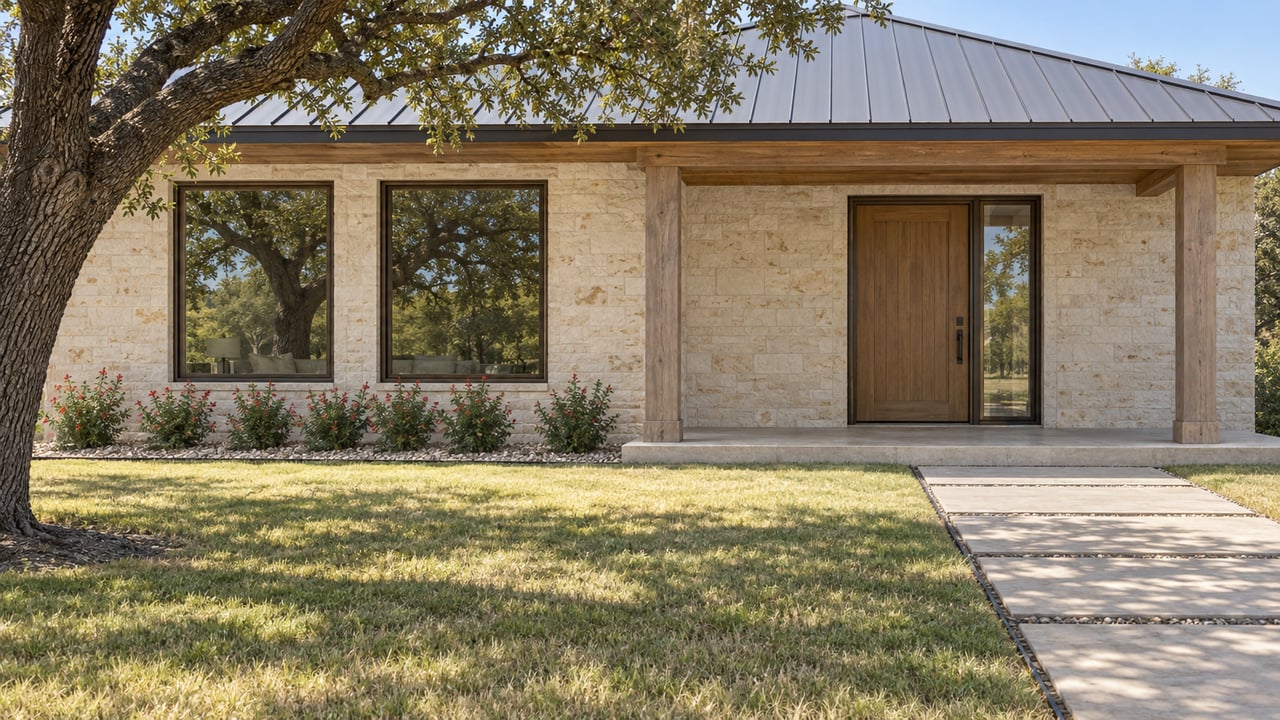
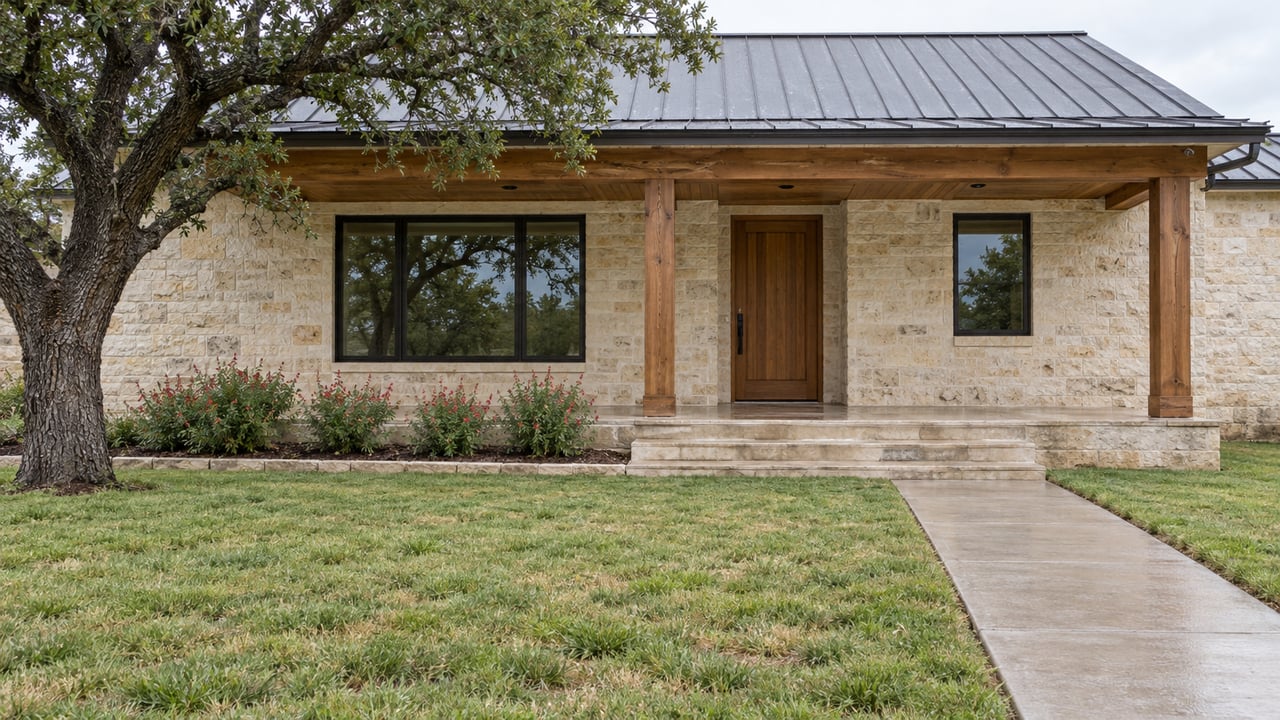
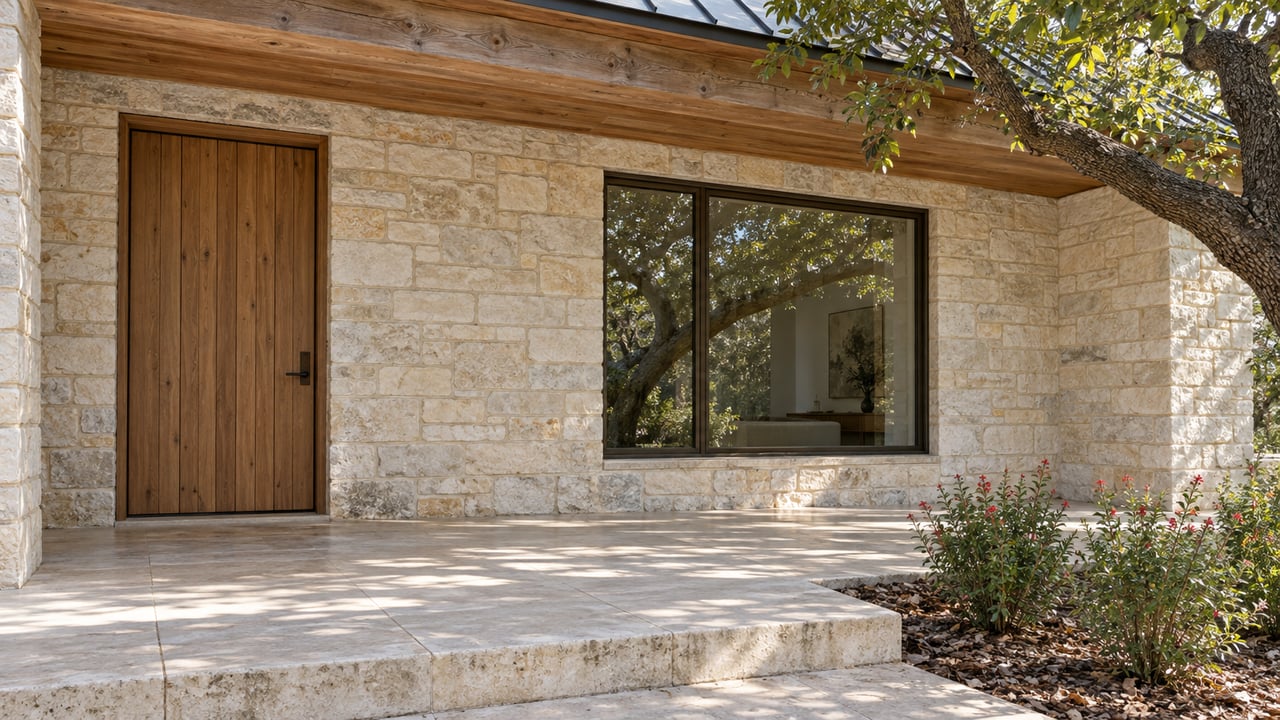
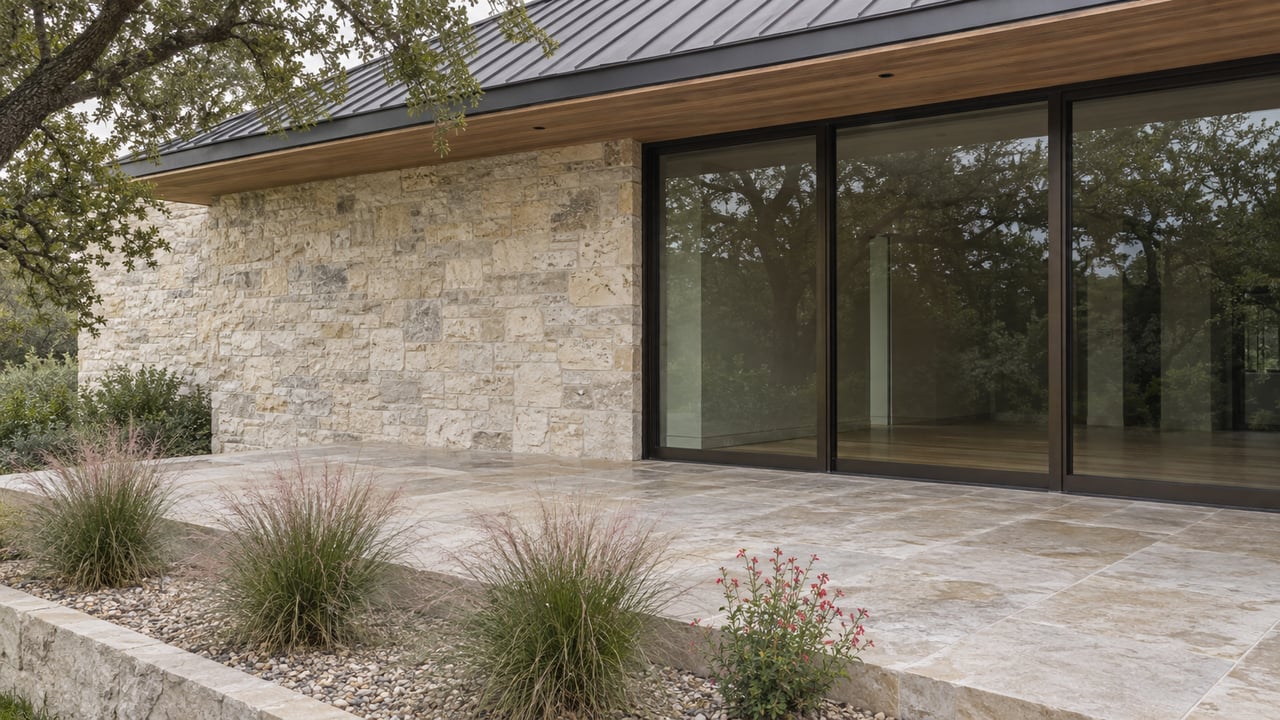
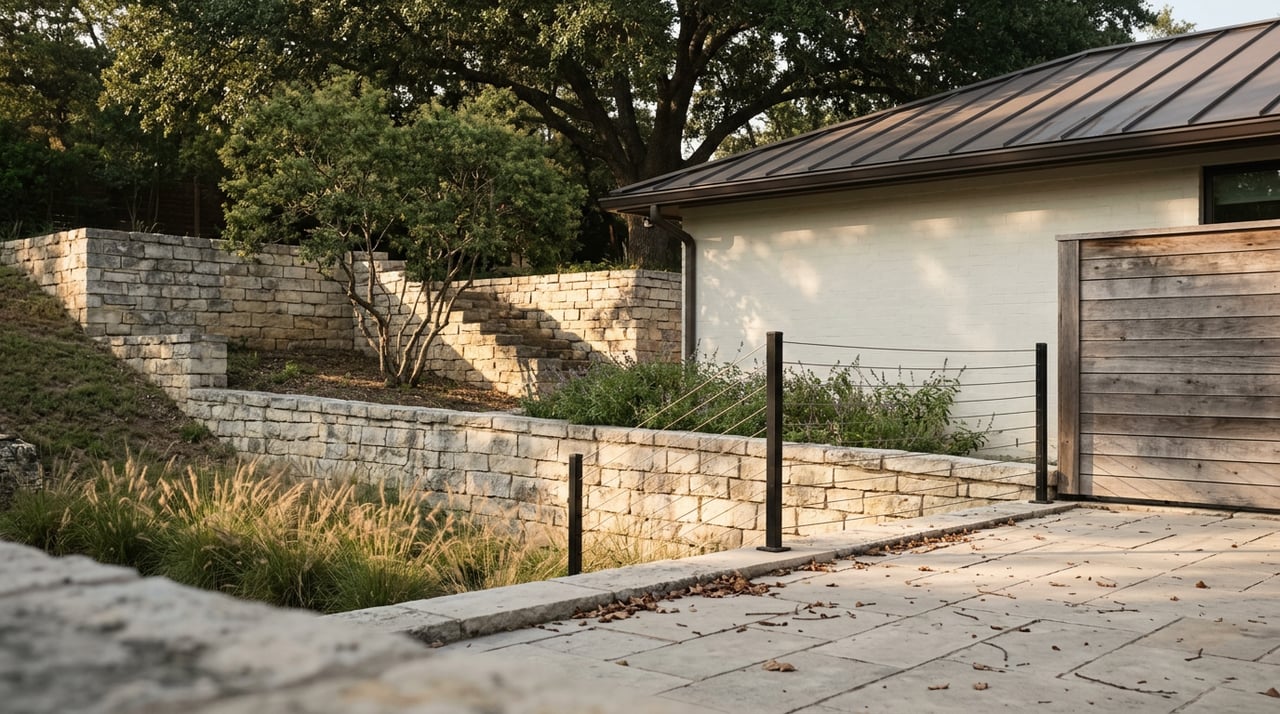
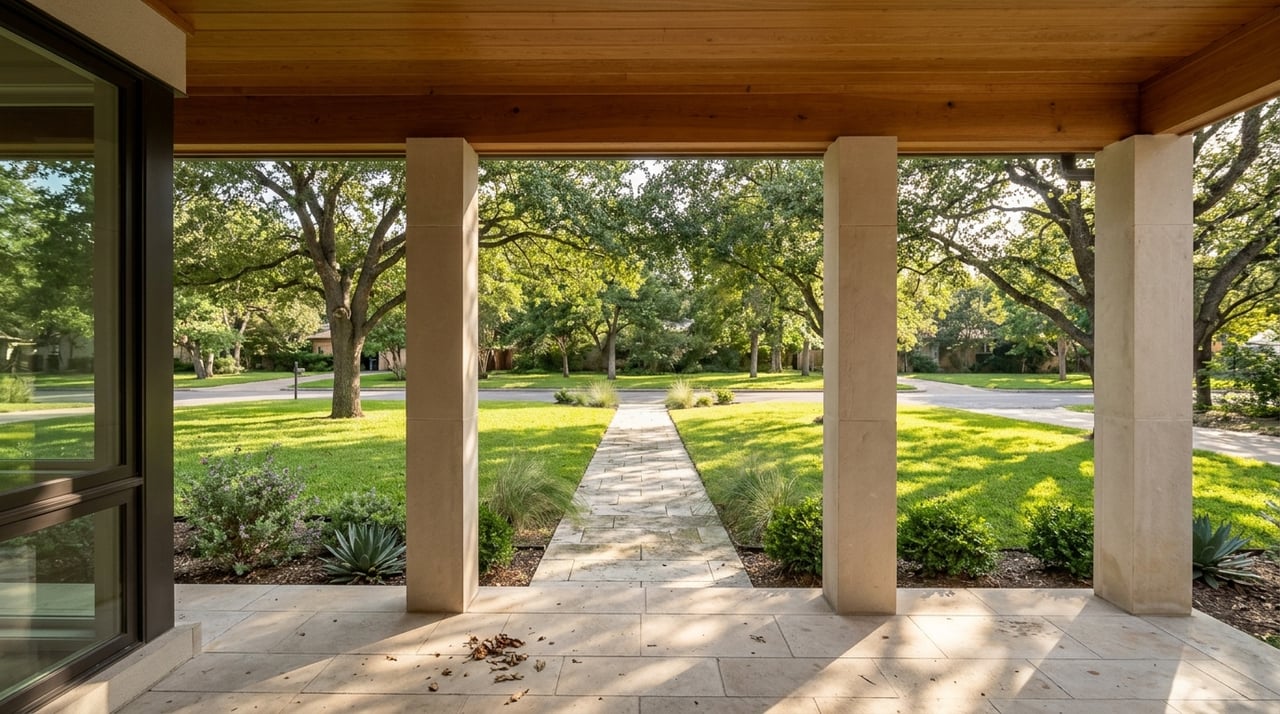
City materials describe West Lake Hills as close-knit and focused on preserving the rural environment and natural beauty of the area. You will often notice mature trees, rugged terrain, scenic views, and a quieter small-city atmosphere that still feels very connected to Austin.
On the Lake Travis side, Lakeway offers a more recreation-centered lifestyle. The city describes itself as being on the south shore of Lake Travis, with marinas, a 65-mile lake, about 100 acres of parkland and trails, and nearly 500 acres of greenbelts.
Bee Cave adds a different layer to that experience. It describes itself as a vibrant community with retail, dining, parks, trees, and an urban sub-rural setting. Together, these areas tend to attract buyers who want a Hill Country setting with a stronger lake and leisure component built into daily life.
If being close to central Austin is high on your list, West Lake Hills has a clear advantage. The city brochure places it only six miles west of downtown Austin, and it says Austin-Bergstrom International Airport is about 20 minutes away.
For many buyers, that translates into easier access to work, dining, events, and airport travel. If you want a more private residential setting without feeling far removed from the city, West Lake Hills often checks that box.
Lakeway is about 25 miles west of downtown Austin. Bee Cave is centrally located between SH 71, 620, and Bee Caves Road, which helps with regional access, but the overall Lake Travis side is still the farther-out option in most day-to-day routines.
The tradeoff is lifestyle. You are usually accepting a longer drive in exchange for a more suburban, lake-oriented environment with more recreational amenities woven into everyday living.
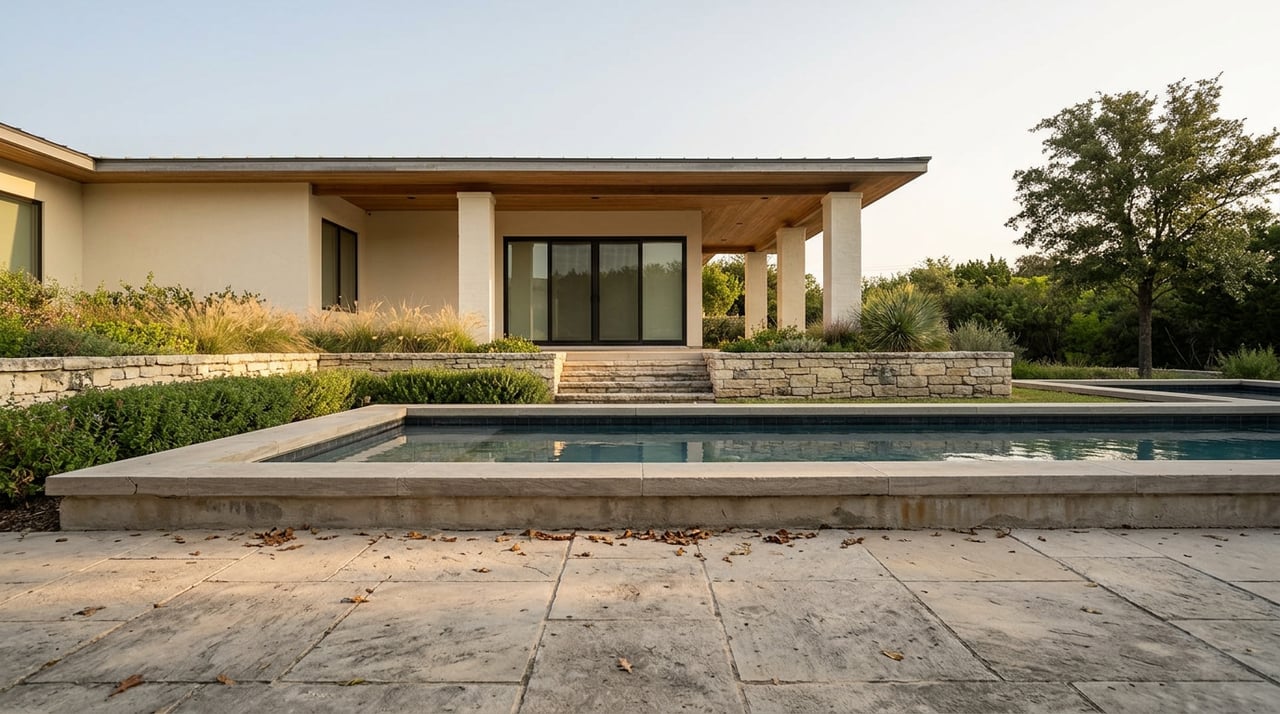
West Lake Hills is shaped by low-density zoning. The city code includes 1-acre minimums for some residential districts, 2-acre minimums for others, and city rules that limit impervious cover on certain single-family properties of 0.5 acre or larger.
The city also regulates tree and vegetation removal to preserve its rural and scenic wooded character. In practical terms, buyers are often drawn here for privacy, mature landscaping, and a more spacious homesite pattern.
Lakeway has a broader range of lot sizes. Its code includes minimums that range from 6,000 square feet in some districts to 15,000 square feet in others, with 1-acre minimums tied to private sewerage facilities.
That creates more variation. Depending on where you search, you may find everything from more compact residential options to larger properties, which can give buyers more flexibility in lifestyle and housing style.
West Lake Hills leans into a treetop and Hill Country setting. City planning language highlights rugged terrain, beautiful views, dense foliage, unspoiled creeks, wildlife, and relatively low population density.
If your ideal backdrop is hillside topography, wooded surroundings, and a more tucked-away residential feel, West Lake Hills tends to deliver that experience. The setting feels pastoral and established while still being close to Austin.
Lakeway is more directly tied to lake recreation. The city points to marinas, access to Lake Travis, extensive parkland and trails, and greenbelts. Lakeway City Park can even be reached by water from Hurst Creek Cove.
Texas Parks and Wildlife also notes that Lake Travis has 15 parks on the reservoir with campgrounds, beaches, boat ramps, and shoreline fishing. If boating, water access, and an outdoor recreation routine are central to your lifestyle, the Lake Travis side often stands out.
For many relocation buyers, this decision also includes a school district comparison. Buyers looking at West Lake Hills often evaluate Eanes ISD, while buyers searching around Lakeway and nearby south-shore communities often evaluate Lake Travis ISD.
Eanes ISD states that the district and all nine campuses achieved the Texas Education Agency highest rating. Westlake High School boundary information also tells families to verify zoning through TCAD and SchoolSearch.
Lake Travis ISD states that it is currently a single-high-school district and provides attendance zone maps plus a street directory. Its listed campuses include Lake Travis High School, Lakeway Elementary, Bee Cave Elementary, and others.
Because boundaries and assignment details can change, buyers should always verify attendance for a specific address directly with the district tools. In many real-world searches, the school conversation becomes part of a broader lifestyle choice between a closer-in Westlake area setting and the larger Lake Travis south-shore network.
West Lake Hills is compact, with about 40 miles of public streets. City materials describe it as scenic, pastoral, and dedicated to small-town living while still being minutes from Austin.
That often appeals to buyers who want an established, close-knit setting with strong privacy and a lower-density feel. The pace can feel more residential and tucked away, even though city conveniences are nearby.
Lakeway began as a retirement and second-home community and has grown to attract families, active empty-nesters, and young professionals who want the lake lifestyle. The city describes itself as a prestigious, growth-managed community with a resort and recreation orientation.
Bee Cave brings in another kind of convenience, with shopping, dining, parks, and a close-knit community feel. For some buyers, that mix of recreation, services, and Hill Country surroundings creates the right balance.
If you are deciding between West Lake Hills and Lake Travis, it often helps to start with your daily priorities instead of the home itself.
West Lake Hills may fit you best if you want:
Lake Travis may fit you best if you want:
Neither choice is universally better. The right answer depends on whether you value closer-in convenience and privacy or lake-centered living and recreation more.
West Lake Hills and the Lake Travis area both offer a strong lifestyle story, but they tell very different ones. West Lake Hills tends to suit buyers who want proximity to Austin, a more established setting, and a wooded Hill Country feel with privacy. The Lake Travis side tends to suit buyers who want lake access, outdoor recreation, and a more leisure-driven daily routine.
If you are weighing both, the best next step is to compare specific streets, commute patterns, lot configurations, and district boundaries against your real day-to-day needs. For tailored guidance on West Lake Hills, Lakeway, Bee Cave, and nearby luxury neighborhoods, connect with David Grimes.
Stay up to date on the latest real estate trends.