Pricing a luxury home in Tarrytown is part science, part storytelling. You want a number that protects your equity, attracts the right buyers, and closes on your terms. The challenge is that no two Tarrytown properties are the same, especially when lake proximity, view corridors, and rebuild potential come into play. In this guide, you’ll learn how top agents price high‑end homes in 78703, what truly moves value, and how to prepare so you can list with confidence. Let’s dive in.
Know the Tarrytown market first
Tarrytown sits just west of MoPac, bounded by Lake Austin to the west, West 35th Street to the north, and Lake Austin Boulevard to the south. It blends early cottages, mid‑century homes, and newer luxury builds in a compact, highly desirable enclave. For a quick orientation of the neighborhood’s history and footprint, review the Tarrytown overview.
You’ll see a wide spread in published medians and price‑per‑square‑foot figures. Different providers use different neighborhood boundaries, time frames, and algorithms, which is why Tarrytown’s neighborhood‑level median can appear higher than the broader 78703 ZIP. Expect snapshot medians to vary roughly from the low $1 millions to the mid‑$2 millions depending on the source and period measured. The takeaway is simple. Medians are a starting point, not a pricing strategy, for a one‑of‑a‑kind property.
At the macro level, Central Texas data in early 2026 suggest a market that has stabilized after the 2020 to 2022 surge. Inventory and pending sales are more balanced, and pricing precision matters more in this environment than during a runaway seller’s market. You can review the latest context in the Unlock MLS Central Texas housing report.
What drives luxury value in Tarrytown
Lake Austin proximity and dock rights
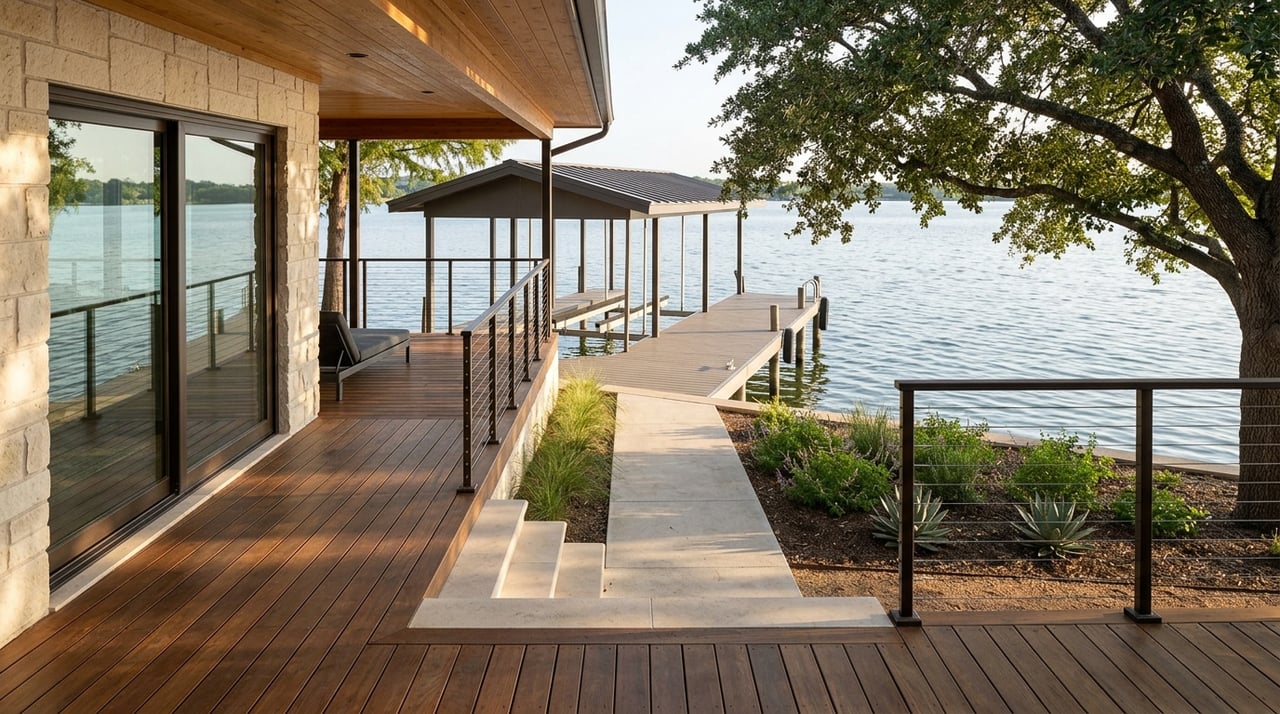
Waterfront or private water access is the single biggest micro‑market uplift in West Austin. A direct lakeshore parcel or a property with private dock capability often sells at a substantial premium versus similar inland lots on the same street. Dock and shoreline rules also matter. The Lower Colorado River Authority manages safety standards and lakebed considerations, while the City of Austin handles dock permitting. If you have an existing dock, confirm records and permits early. For permit and registration details, start with the LCRA docks and marinas guidance. Because dockability is a functional feature that cannot be added easily on many sites, buyers treat it as a discrete value driver.
Lot size, topography, and rebuild potential
Large or level lots that allow a substantially larger footprint, a guest house, or an ADU carry a separate land or teardown value. In Tarrytown, tree protection rules, setbacks, and impervious cover limits can shape what is possible. That is why agents run a parallel “lot vs. house” analysis for premium parcels and verify constraints before attaching a price to redevelopment potential.
Architecture, condition, and finish level
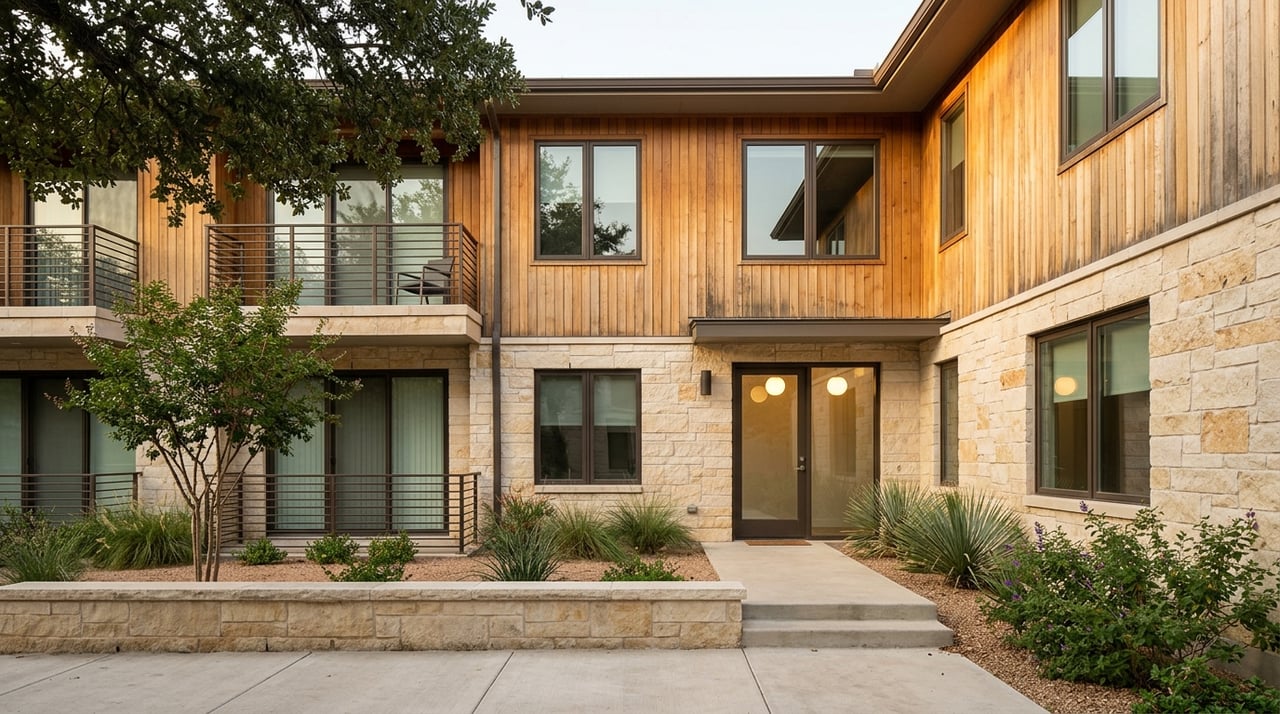
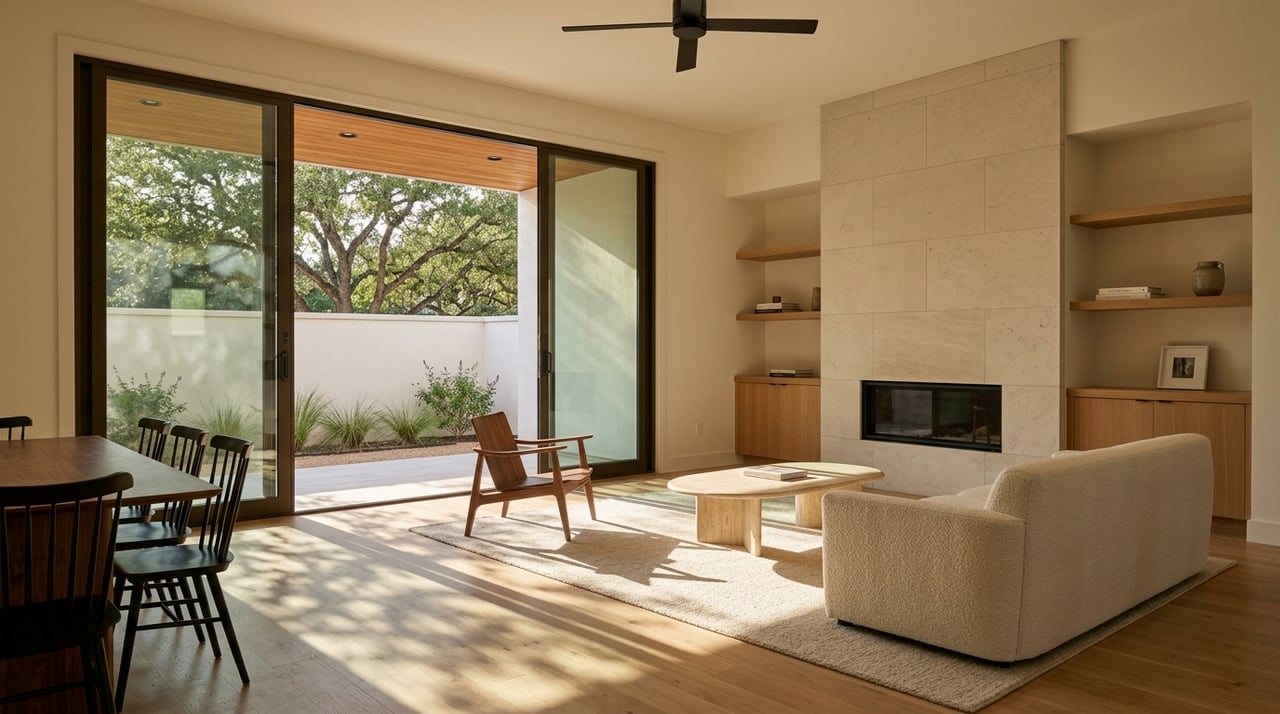
At the top tiers, buyers are highly sensitive to design and systems. A well‑kept period home reads differently than a new contemporary build, even next door. Professional kitchens, updated HVAC, integrated smart systems, a pool, guest accommodations, and curated outdoor living can move your home into a different buyer pool. Always compare like for like when pulling comps.
Views, privacy, tree canopy, and curb appeal
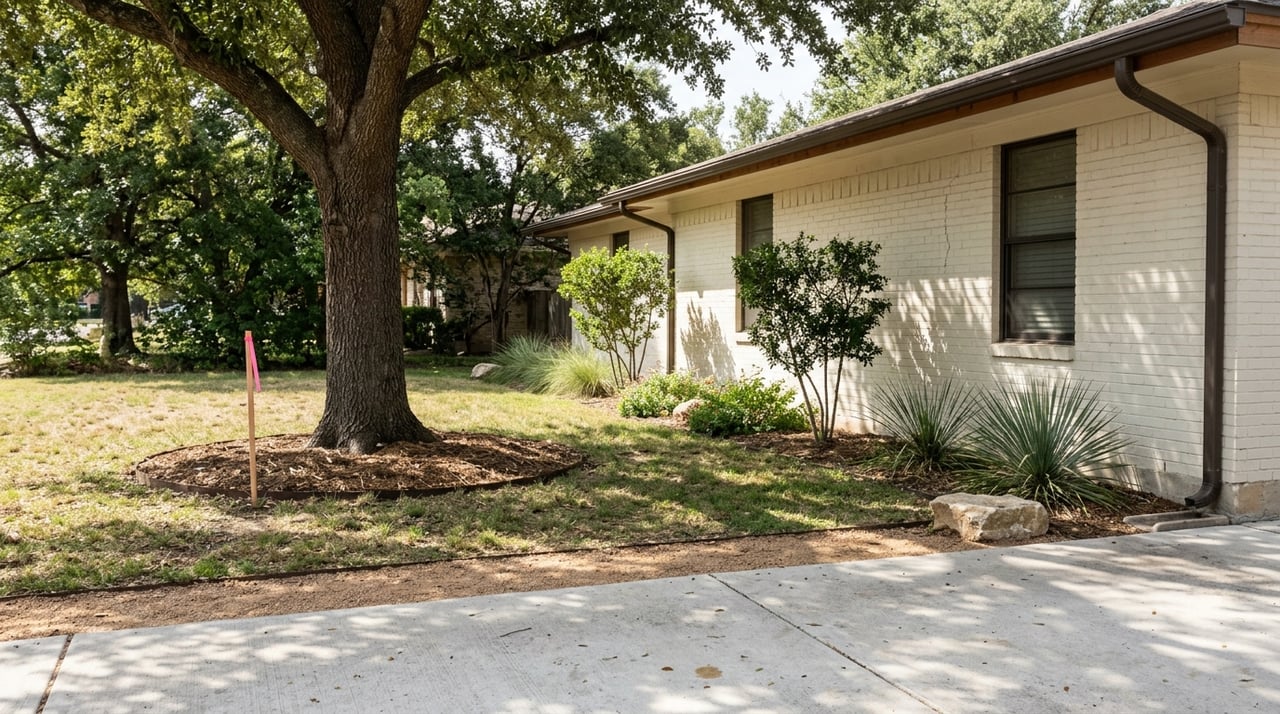
A protected view corridor toward the lake or skyline, a mature canopy that frames the home, and site privacy can all create meaningful uplifts. Where paired sales are available, your agent can quantify how much those features have contributed to past sale prices.
Schools and daily amenities
School assignments in this area commonly include Casis Elementary, O. Henry Middle, and Austin High. Proximity to neighborhood anchors like parks, the golf course, Walsh boat landings, and local coffee or dining can support demand. Keep references neutral and factual, and remember that assignments can change over time.
Scarcity and off‑market activity
Tarrytown is a small, tightly held neighborhood. High‑end trades often happen quietly through agent networks. That scarcity means the most relevant comps may include confirmed off‑market sales your agent knows about but that do not appear in public portals. Local intel fills those gaps.
Taxes, flood zones, and carrying costs
Property taxes and flood‑zone status can influence affordability and net proceeds. Gather your tax history and any elevation certificates early, and confirm whether flood insurance is required for your parcel. The Travis County Tax Office is a primary source for records and guidance. Start with the Travis County Tax Office resources.
Price bands and comps in practice
Most local analyses segment luxury into practical bands. Treat these as market tiers, not rigid definitions:
- Entry luxury roughly 1 million to 2 million dollars.
- Primary luxury roughly 2 million to 5 million dollars.
- Ultra or trophy properties above 5 million dollars, which often include waterfront or very large‑lot estates.
You can find outliers well above those tiers when land size, historic significance, or lake frontage align. As a reminder, Texas is a nondisclosure state, so final sale prices are not always public. Use a comp set of recent closed sales and active or pending listings to ground your list range in reality.
The expert pricing method for Tarrytown
1) Gather authoritative baseline data
- Confirm legal lot size, plat, tax history, title details, and any shoreline or dock rights.
- Pull any past permits for additions, pools, docks, or structural changes.
- If your property is near Lake Austin, verify dock registration and permitting status with the City and review safety and shoreline constraints with the LCRA docks and marinas guidance.
- Collect flood zone and elevation certificate documents if applicable, and retrieve tax history through the Travis County Tax Office.
2) Assemble comps and market indicators
- Identify 3 to 8 closed sales from the past 3 to 12 months within the most relevant micro‑area.
- Treat lakefront and inland sales as separate submarkets.
- Add context with pending sales and current active inventory. Track price per square foot, sale‑to‑list ratios, and days on market as directional metrics.
- Align the comp window with the latest Unlock MLS market reports so your read matches current momentum.
3) Make discrete adjustments and test the thesis
- Adjust for lot size and development potential, permitted dock access, view quality, and major amenities like pools or guest houses.
- Where water access or views are the key feature, use paired‑sale analysis. This compares two similar sales that differ by the attribute you are valuing so the uplift is clear and defensible.
- When a lender appraisal is likely or you want third‑party support, lean on Appraisal Institute methods and consistent measurement standards. The Appraisal Institute’s materials provide a professional framework for valuation analysis. Reference the Appraisal Institute resources for methodology background.
4) Produce a range and a recommended list price
- Present a three‑point range: conservative, probable, and aspirational.
- Show how small price moves place your home into different search bands online. For example, pricing just under a million‑dollar threshold may expand the audience.
- Discuss the tradeoffs. A conservative price may compress days on market, while an aspirational number can buy time to test the top of the market.
5) Align marketing with the price strategy
- For top‑tier homes, combine broad MLS exposure with targeted outreach to high‑net‑worth buyers, discreet previews, and broker‑to‑broker channels.
- If your highest and best sale route is private, set expectations about exposure, timing, and probable price outcomes.
- Tie the plan to polished presentation. Curated photography, a measured floor plan, and 360 experiences help buyers perceive full value.
6) Take pre‑list actions that protect value
- Order a pre‑listing inspection to uncover items that could derail negotiations.
- Verify dock or shoreline records and update surveys if boundaries or planned improvements will matter to buyers.
- Prepare a clean, measured living area and a complete floor plan so appraisers and buyers work from the same figure. Professional standards like those from the Appraisal Institute help keep measurements consistent.
- Invest in high‑ROI prep. Landscape, paint touchups, lighting checks, and selective staging can deliver outsized returns in Tarrytown.
A practical checklist for the next 6 to 12 months
Bring these to your pricing meeting and confirm each item with your agent:
- Parcel and title documents, prior survey, and tax history. Start at the Travis County Tax Office.
- Any existing dock, license, or permit documents, plus recent shoreline photos. If unclear, verify with the LCRA docks and marinas guidance.
- A list of major upgrades with invoices and permit records for items like roof, HVAC, additions, pool, or dock work.
- Clear photo set, a measured living area, and a complete floor plan aligned with common measurement standards.
- A pre‑listing inspection report or bids for obvious deferred maintenance.
- A timing discussion that weighs seasonal momentum and a price‑band choice, plus a marketing plan that pairs MLS reach with discreet private network exposure.
Avoid common Tarrytown pricing mistakes
- Mixing inland comps with lakefront comps without clear adjustments.
- Ignoring lot potential, tree constraints, or impervious cover limits when assigning land value.
- Overvaluing outdated finishes or systems relative to recent new builds.
- Skipping a pre‑listing inspection and being surprised during option or appraisal.
- Forgetting flood zone, tax implications, and insurance considerations.
- Pricing outside key search thresholds and losing early buyer traffic.
- Relying only on public portals without neighborhood‑level off‑market intel.
When to price aggressively vs. conservatively
In a more balanced market, your pricing posture should match your goals and the property’s uniqueness.
- Consider a more aggressive ask if you offer a rare attribute like private dock access, a protected view corridor, or a large, buildable lot with limited immediate competition.
- Consider a more conservative ask if you face multiple nearby actives with similar specs, if condition is dated versus the comp set, or if you need a defined sale window.
- Revisit your stance every two to three weeks based on feedback, showing velocity, and changes in active competition. Pair that with the latest Unlock MLS report so you are not pricing on stale data.
Work with a team that knows both MLS and private channels
Getting Tarrytown pricing right is equal parts data, presentation, and distribution. You need an advisor who can model land and teardown value, verify dock rights, quantify view premiums with paired sales, and then control the narrative with premium marketing. You also want reach into private buyer networks and the discretion to run a quiet process when that is the better path.
If you are planning to sell in the next 6 to 12 months, let’s start with a confidential strategy session tailored to your parcel, your timeline, and your goals. Request your private pricing review with David Grimes and move forward with clarity.
FAQs
How do you price a Tarrytown lakefront home vs. inland?
- Treat lakefront as a separate micro‑market, confirm dock rights with the LCRA docks and marinas guidance, then use paired‑sale analysis and recent lake comps to quantify the premium.
What sources should inform a Tarrytown pricing proposal?
Do school assignments and amenities affect price in Tarrytown?
- Yes, neutrally and factually; buyers often consider assignments like Casis Elementary, O. Henry Middle, and Austin High, plus proximity to parks, boat landings, and dining when comparing similar homes.
What are the luxury price tiers in 78703?
- Practical market tiers are entry luxury around 1 to 2 million dollars, primary luxury around 2 to 5 million dollars, and ultra luxury above 5 million dollars, with exceptions for rare estates.
Why do published Tarrytown medians vary so much?
- Providers use different neighborhood boundaries, time frames, and methods, so medians and price‑per‑foot figures diverge; rely on a custom comp set aligned to your micro‑location.
Should I get a pre‑listing inspection for a high‑end sale?
- Yes; it helps you price confidently, address issues before showings, and support a smoother appraisal and negotiation process.