Is an Off-Market Sale in Rollingwood Right for You?

Thinking about selling your Rollingwood home without the buzz and traffic of a full public launch? In a small, high-value market, a quiet approach can be appealing when privacy and control matter most. But it also changes how buyers find you, how price is discovered, and what rules your agent must follow. In this guide you’ll learn what off-market really means today, how it plays out in Rollingwood, the tradeoffs to weigh, and the exact steps for a compliant, discreet campaign. Let’s dive in.
An off-market or pocket listing is a sale strategy that limits public exposure on the MLS and consumer portals. Variants include a true pocket listing shared only within an agent’s private network, an office-exclusive listing shared only inside one brokerage, and short, invitation-only campaigns. You can learn more about pocket listing variants in this overview of pocket listings and private marketing norms from industry analysts at The Close.
Rules matter. Under the National Association of REALTORS’ Clear Cooperation policy, once a property is publicly marketed, it generally must be submitted to the MLS within one business day. Office-exclusives remain an option if the seller instructs the broker in writing and the campaign follows local MLS rules. See the policy summary on NAR’s Clear Cooperation page.
Portals shape visibility. Major platforms have taken steps to limit listings that are publicly marketed without being on the MLS. This reduces the chance a privately marketed home will appear in high-traffic places that drive buyer activity. For a recent summary of these portal policies and timelines, see HousingWire’s coverage.
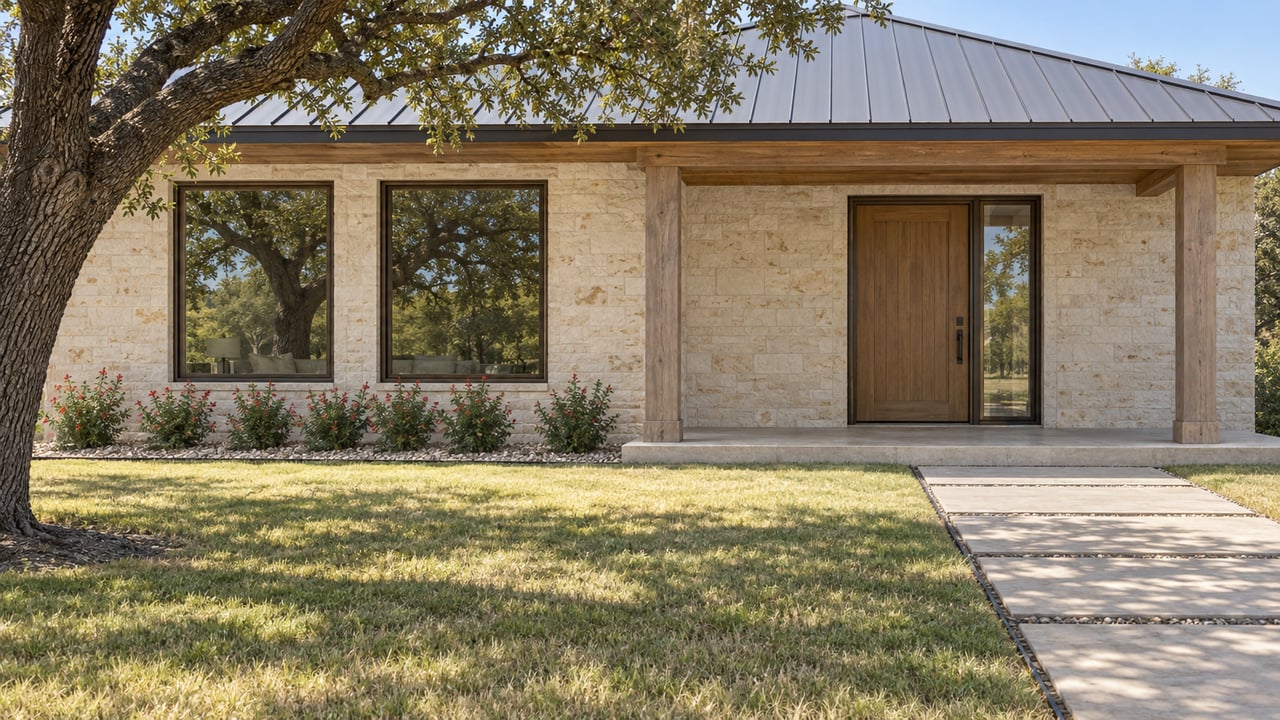
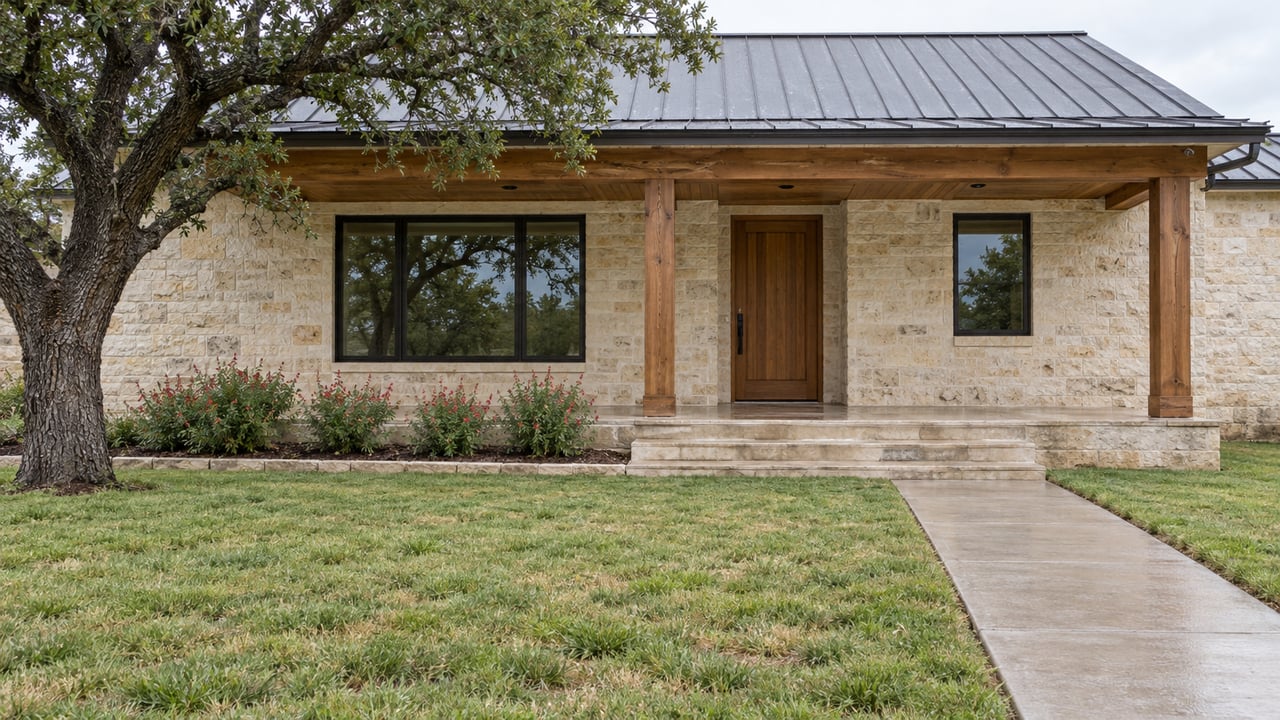
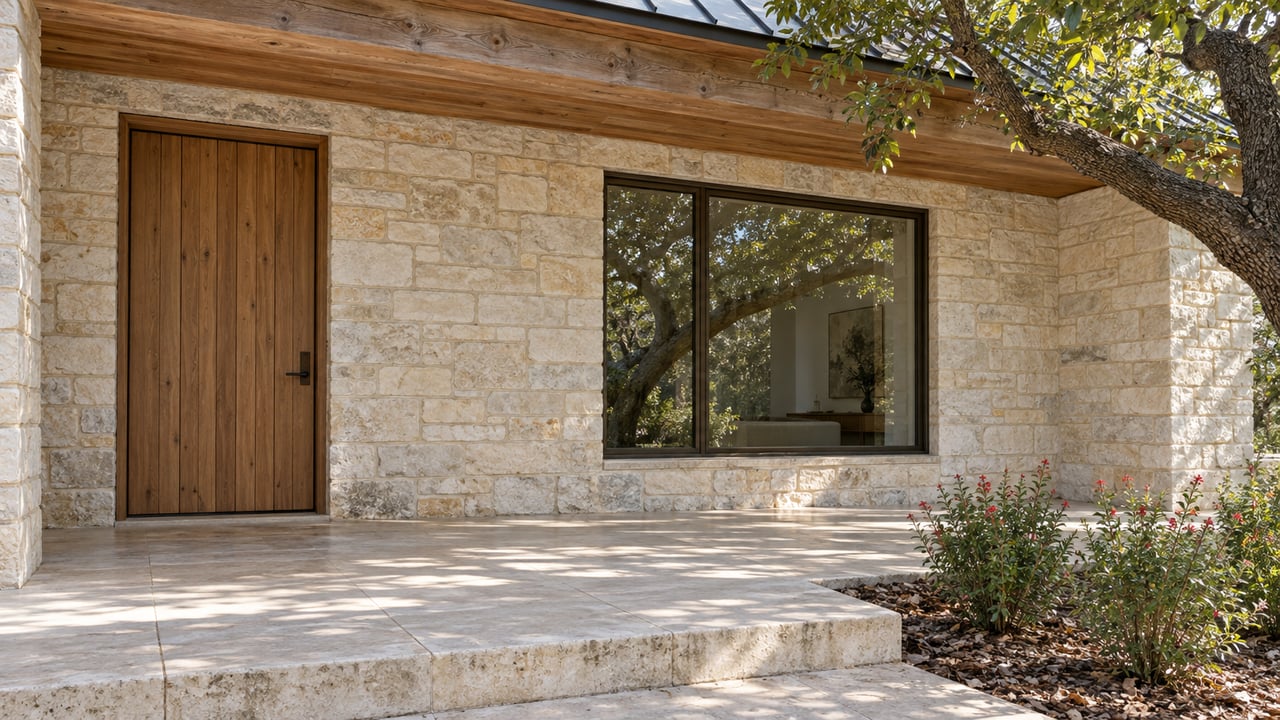
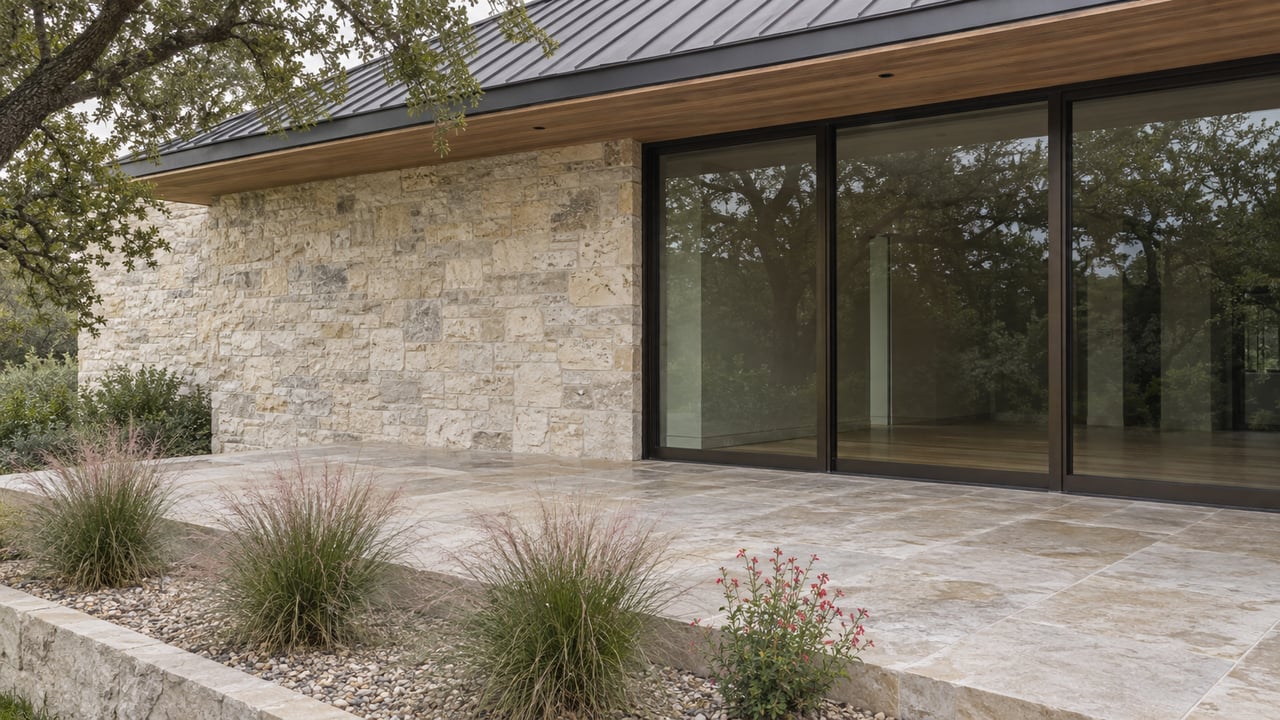
Rollingwood is a very small, independent city next to West Austin with roughly 1,400 to 1,600 residents in about 0.8 square mile. Large lots, proximity to central Austin, and neighborhood amenities create a small, high-value housing pool where a few sales can shift the statistics. Get the basics on the city from the Rollingwood entry on Wikipedia.
Because the buyer pool is limited and often relationship-driven, targeted outreach can sometimes surface a well-qualified match. The flip side is that reduced exposure can limit competition and the price discovery you often get with a full MLS launch. Treat single-sale medians with caution in this micro-market, and plan your approach based on your goals for privacy, timing, and price.
Here are common use cases for Rollingwood sellers, with key pros and cons:
Privacy and security
Quiet price or renovation test
Coordinating logistics
Pre-qualified UHNW or relocation buyers
Data from large MLS studies suggest open-market exposure often helps sellers. Bright MLS analyses found private or office-exclusive listings took longer to sell and did not deliver higher prices for sellers on average when property and location were controlled. Read the summary of these findings in Inman’s coverage.
During the pandemic era in the Mid-Atlantic, one study cited an on-MLS price premium compared to off-market approaches, highlighting the role of broad exposure in price discovery. For context on those results, see the regional report summary.
What it means for Rollingwood: in a tight, luxury micro-market, results depend on whether the right buyer is already in your agent’s network at the right time. A private buyer paying full market value can make an off-market sale a win. But do not assume a private campaign will outperform an open launch on price.
Portal visibility. If any public marketing occurs without timely MLS submission, major portals may suppress your listing, which reduces buyer reach. See the current landscape in HousingWire’s report.
Fair housing. Selective marketing can inadvertently limit access. Use objective, written criteria for outreach and showings, and keep detailed logs. For background on the equity concerns around private sales, see this PBS analysis.
Texas duties and records. Your brokerage must document your instructions, keep required disclosures, and maintain confidentiality while disclosing material facts. Review the TREC IABS to understand roles and obligations.
Before you commit to a private campaign in Rollingwood, ask your agent for:
Use this quick filter to decide your next step:
Ready to talk through the right strategy for your address, timeline, and privacy needs? Reach out for a confidential plan and a data-backed valuation tailored to Rollingwood. Start the conversation with David Grimes to map your best path.
Stay up to date on the latest real estate trends.