Explore the Rollingwood Austin Lifestyle Near Downtown
If you want a neighborhood that feels tucked away without cutting you off from the city, Rollingwood stands out right away. This small incorporated city on Austin’s west side offers quiet streets, mature trees, and a strong sense of local identity, all about four miles southwest of downtown Austin. If you are weighing lifestyle as much as location, Rollingwood gives you a clear picture of both. Let’s dive in.
Rollingwood is not simply a pocket of Austin. It is its own city, located on the west bank of Lady Bird Lake between West Lake Hills and Austin, with just over 1,500 residents according to city information.
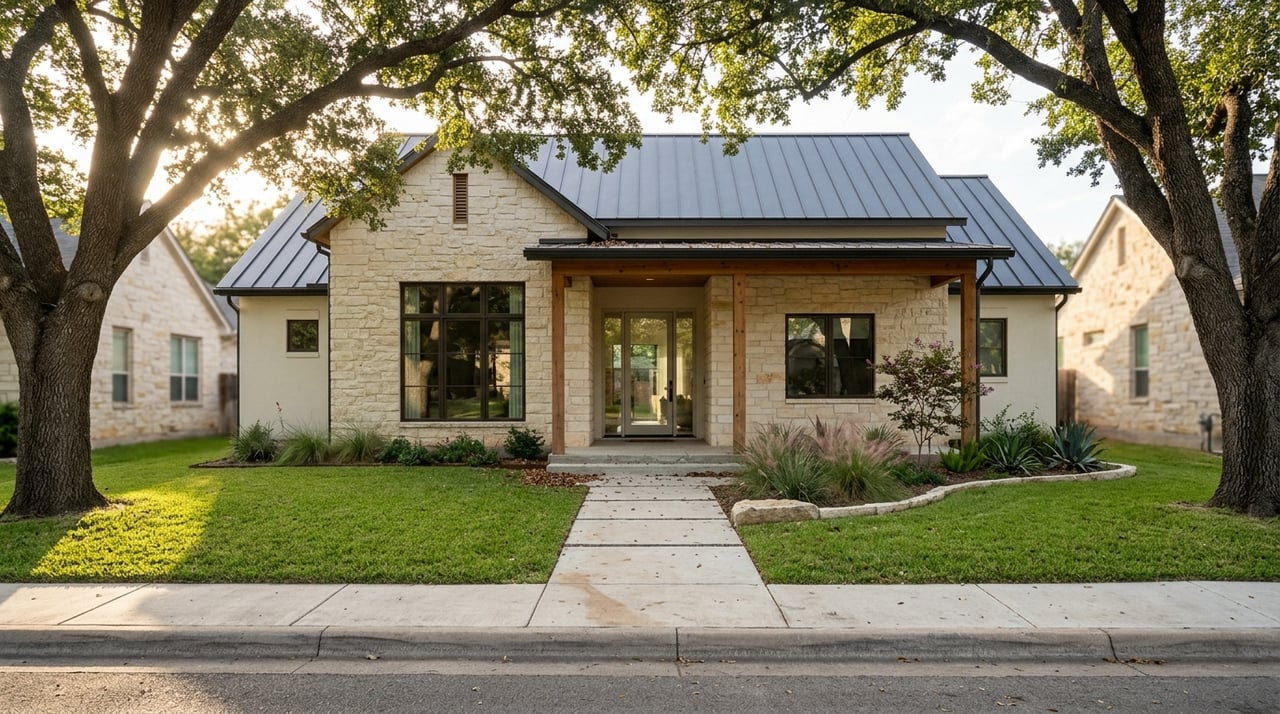
That small scale shapes daily life. City planning materials describe a walkable, tree-filled, connected neighborhood with low-density single-family homes and access to local shops and restaurants. In practical terms, that means you get a residential setting that feels calm and established while staying close to the places many buyers already use across central Austin.
One of Rollingwood’s biggest draws is the contrast it offers. You are near downtown Austin, yet the city maintains a separate identity through its own local government, civic systems, and community traditions.
Rollingwood operates as a Type A General Law City with a mayor, five elected council members, and a city administrator. That local structure reinforces the close-in, community-managed feel that many buyers hope to find but rarely see this close to the urban core.
For someone relocating or moving within Austin, this can be a major quality-of-life factor. You are not choosing between convenience and a neighborhood atmosphere. In Rollingwood, the appeal comes from having both.
City materials point to a lifestyle centered on simple, everyday routines. Residents use neighborhood streets for walking, biking, and dog walking, which says a lot about how the area functions from one day to the next.
This is the kind of place where outdoor activity does not need to be planned as a major outing. It is part of the rhythm of the neighborhood. Tree cover, connected streets, and a compact footprint all support that easy, local feel.
For buyers who value a quieter setting, Rollingwood often stands out because it feels residential in the truest sense. The environment is shaped less by commercial intensity and more by homes, parks, and shared public spaces.
Rollingwood Park is one of the clearest expressions of the city’s lifestyle. It serves as a central gathering place, with upper and lower sections, playgrounds, swings, a pavilion, a community garden, ball fields, adult exercise equipment, trails, and public restrooms.
That range of amenities matters because it supports more than one type of use. Some people come for recreation, others for youth sports, casual walks, or time at the playground, and others for community gatherings at the pavilion or garden.
The park also reflects Rollingwood’s civic character. The community garden was built through resident organization and fundraising, and city history references long-running volunteer support around park improvements and public gathering spaces.
Rollingwood’s lifestyle is not limited to its own park. The city’s planning materials point to nearby access to Zilker Park, Barton Springs Pool, the Nature and Science Center, Auditorium Shores, Zilker Botanical Garden, Lions Municipal Golf Course, and the Barton Creek Greenbelt.
That broader outdoor network is a big part of the appeal. You can enjoy neighborhood-scale green space in Rollingwood and still stay close to many of Austin’s best-known recreation areas.
Lady Bird Lake also plays an important role in the area’s identity. Austin Parks and Recreation notes that the Ann and Roy Butler Hike-and-Bike Trail at Lady Bird Lake is a 10-mile loop that sees more than 2.6 million visits each year, and shoreline and trail access points connect the lake system to surrounding areas.
Because Rollingwood sits on the west bank of Lady Bird Lake, many buyers see this proximity to trails, water access, and parkland as part of the day-to-day value of living here. If you want a neighborhood where the outdoors feels close at hand, Rollingwood checks that box in a meaningful way.
Rollingwood’s small-town feel is also shaped by recurring community events. Current city pages highlight traditions such as the Rollingwood Women’s Club annual Fourth of July parade and lower-park celebration with fireworks, along with the Rollingwood 5K and Kids Fun Run at City Hall.
These are not large commercial events built around tourism or nightlife. They are local gatherings tied to shared participation, which helps explain why Rollingwood often feels more personal than places of similar proximity to downtown.
The city’s history supports that identity as well. Planning materials note that Rollingwood was incorporated in 1955 and later officially incorporated as the City of Rollingwood in 1963, and that long-standing sense of local control still shows up in community life today.
A neighborhood can feel peaceful without feeling isolated, and Rollingwood benefits from that balance. The city describes a growing commercial district with eateries, retail businesses, and professional offices.
According to the comprehensive plan, Bee Caves Road functions as the main commercial corridor, with office and retail uses that include business parks, banks, low-rise offices, strip plazas, and local family-owned businesses. That means daily errands and casual dining options are close by, even while the residential core keeps its quieter character.
For many buyers, this blend is what makes Rollingwood practical. You can enjoy a park-centered residential setting while still having everyday services nearby and downtown Austin within easy reach.
For buyers researching schools, the city’s comprehensive plan identifies Rollingwood as part of Eanes School District. Eanes ISD states that campus zoning is determined by street address and should be verified through the district boundary map.
The district currently reports 5 elementary schools, 2 middle schools, 1 high school, enrollment of 7,532, and a 95.3% attendance rate. If schools are part of your home search, it is worth confirming the assigned campus for any specific property before you make a decision.
This is also a good reminder that Rollingwood is a micro-market. Even in a small city, address-level details can shape your experience, from commute patterns to nearby amenities to campus assignment.
Rollingwood tends to attract buyers who want close-in convenience without giving up a neighborhood-centered lifestyle. If your ideal setting includes walkable residential streets, nearby parks, and quick access to downtown Austin, this area often deserves a closer look.
It can also appeal to buyers who value a more locally managed feel. The separate city government, community calendar, volunteer opportunities, and local events all contribute to a place that feels actively cared for.
For higher-end buyers in particular, Rollingwood offers a combination that is increasingly hard to find: a small residential city with established character, outdoor access, and a prime location near the heart of Austin.
If you are buying in Rollingwood, lifestyle fit matters as much as square footage or finishes. You are often choosing the area because of its scale, civic identity, outdoor access, and close-in setting.
If you are selling, those same qualities are central to how a home should be positioned. Buyers are not only comparing homes. They are comparing daily experience, neighborhood rhythm, and how a location supports the way they want to live.
That is why local market knowledge matters in a place like Rollingwood. The right strategy should speak clearly to what makes this city distinct, from park-centered living and tree-lined streets to the rare combination of privacy, convenience, and immediate access to Austin’s outdoor core.
If you are considering a move in Rollingwood or nearby West Austin, working with a team that understands both the lifestyle story and the market dynamics can make the process more focused and more effective. To start the conversation, connect with David Grimes.
Stay up to date on the latest real estate trends.